MENU

Home > Subsidence Repairs > Two-stage ground stabilisation – underground voids and swallow hole
Home > Subsidence Repairs > Two-stage ground stabilisation – underground voids and swallow hole
Client: Dartford Borough Council
Location: Swanscombe, Kent
Completed: 2016
Movement on hazardous ground
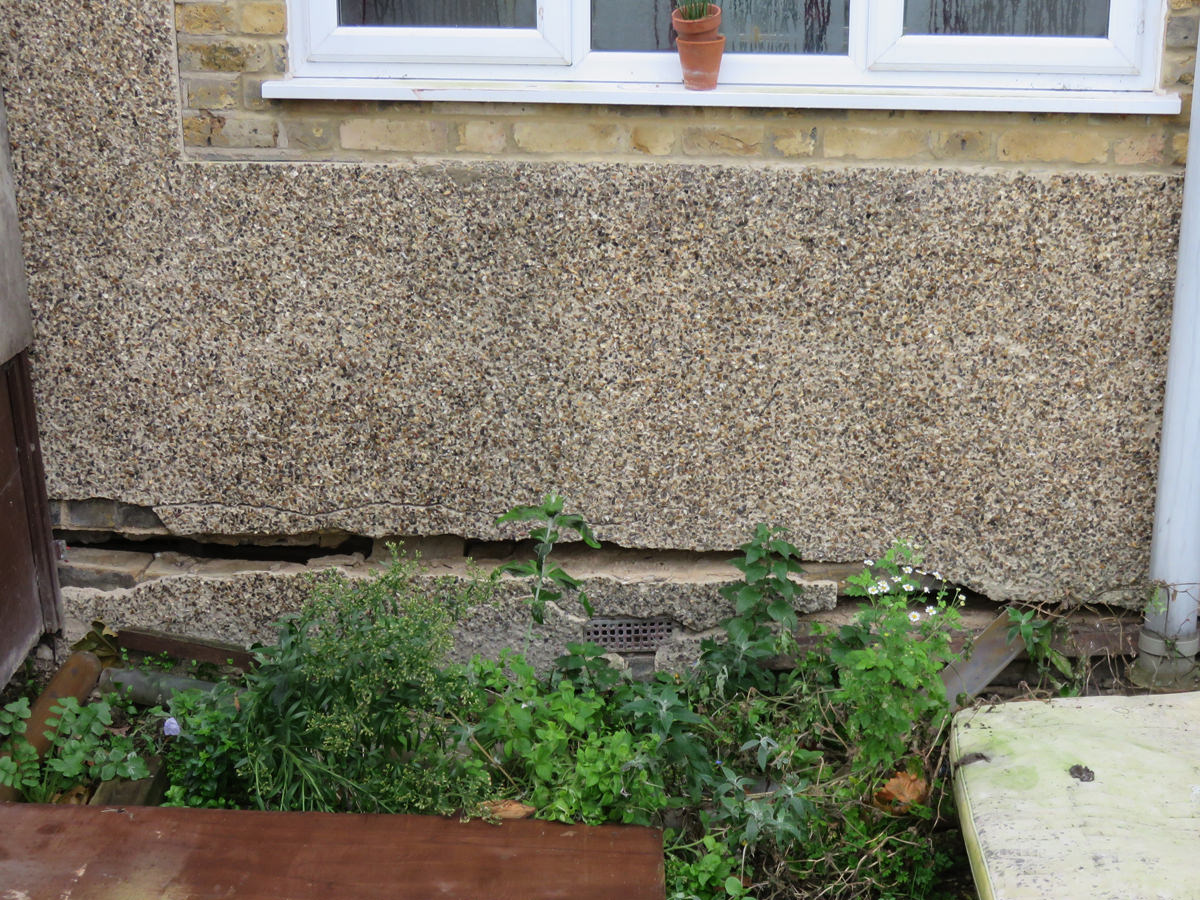
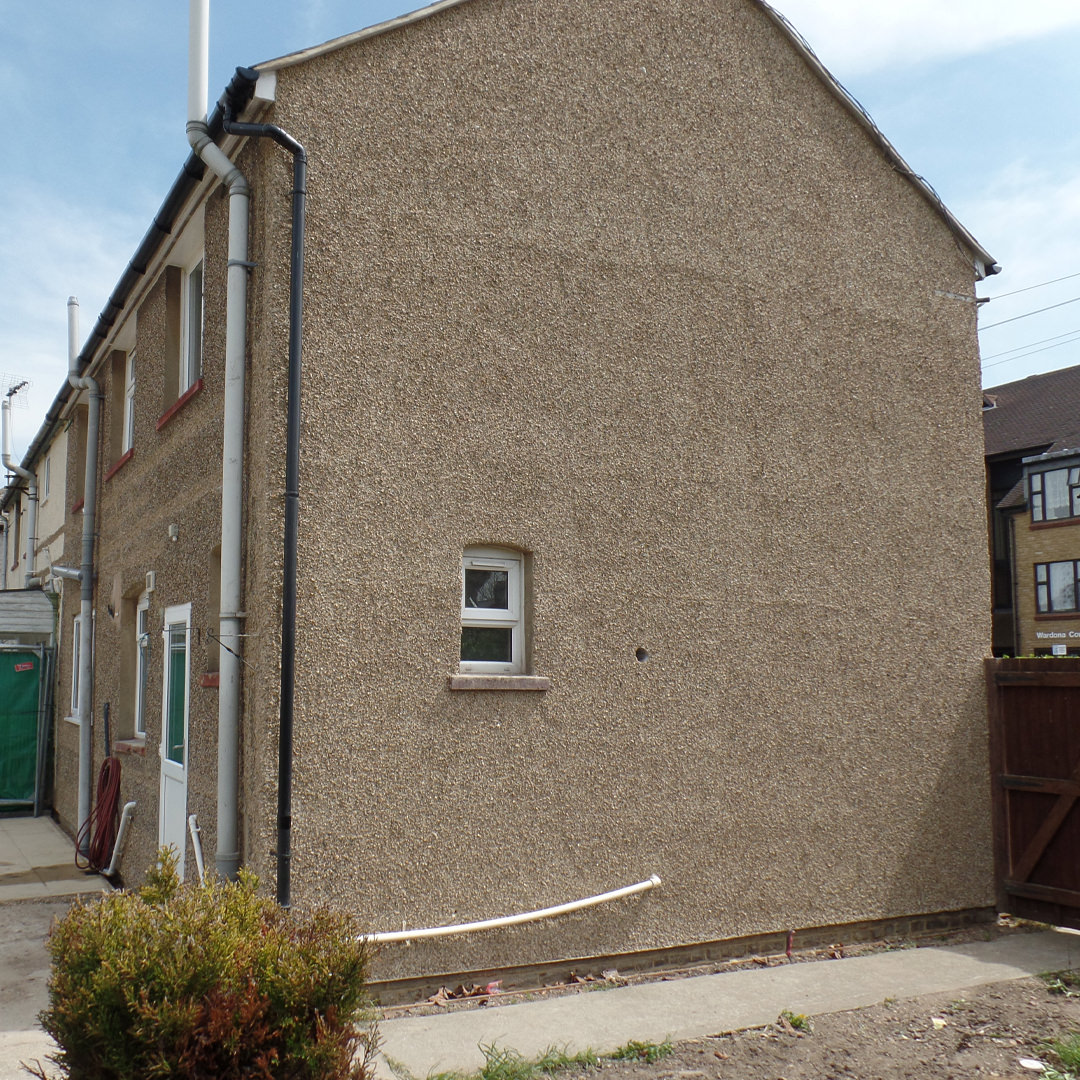
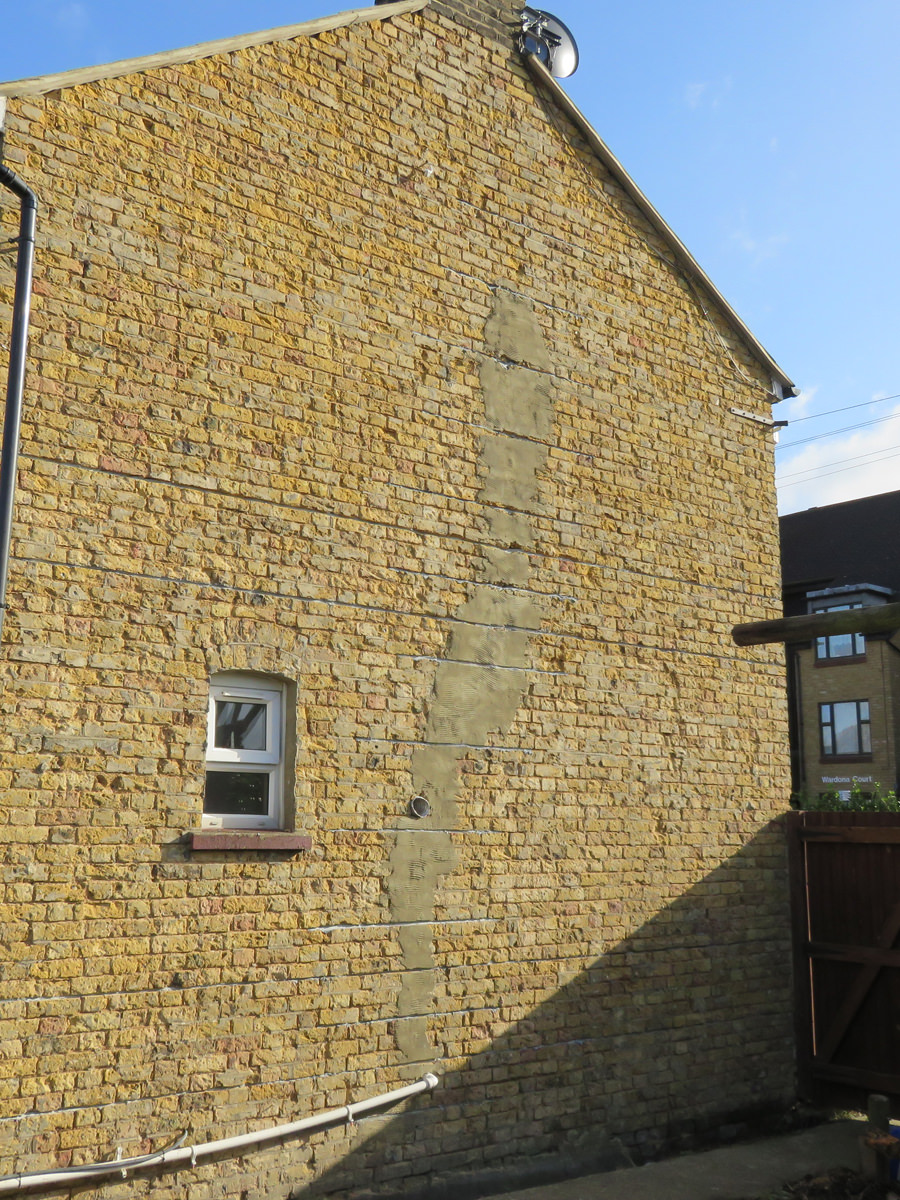
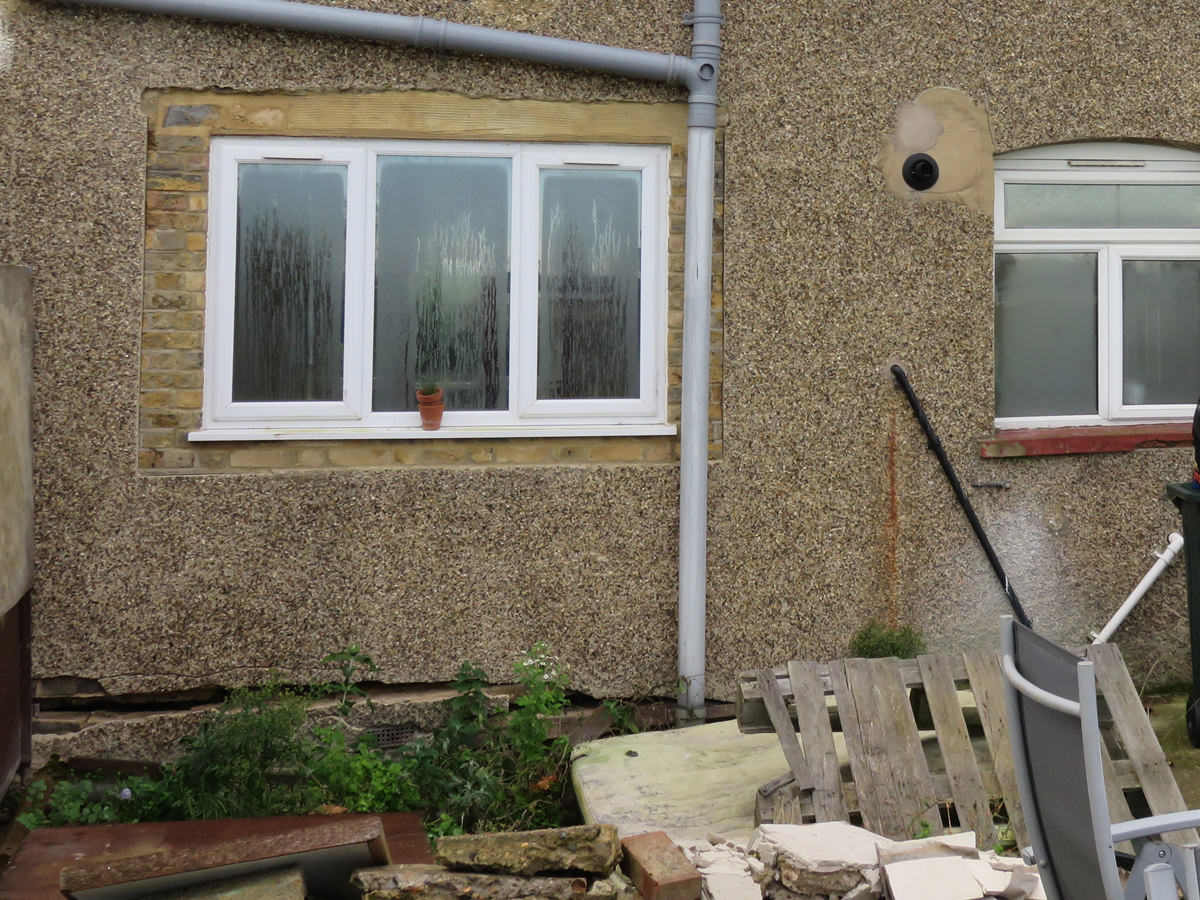
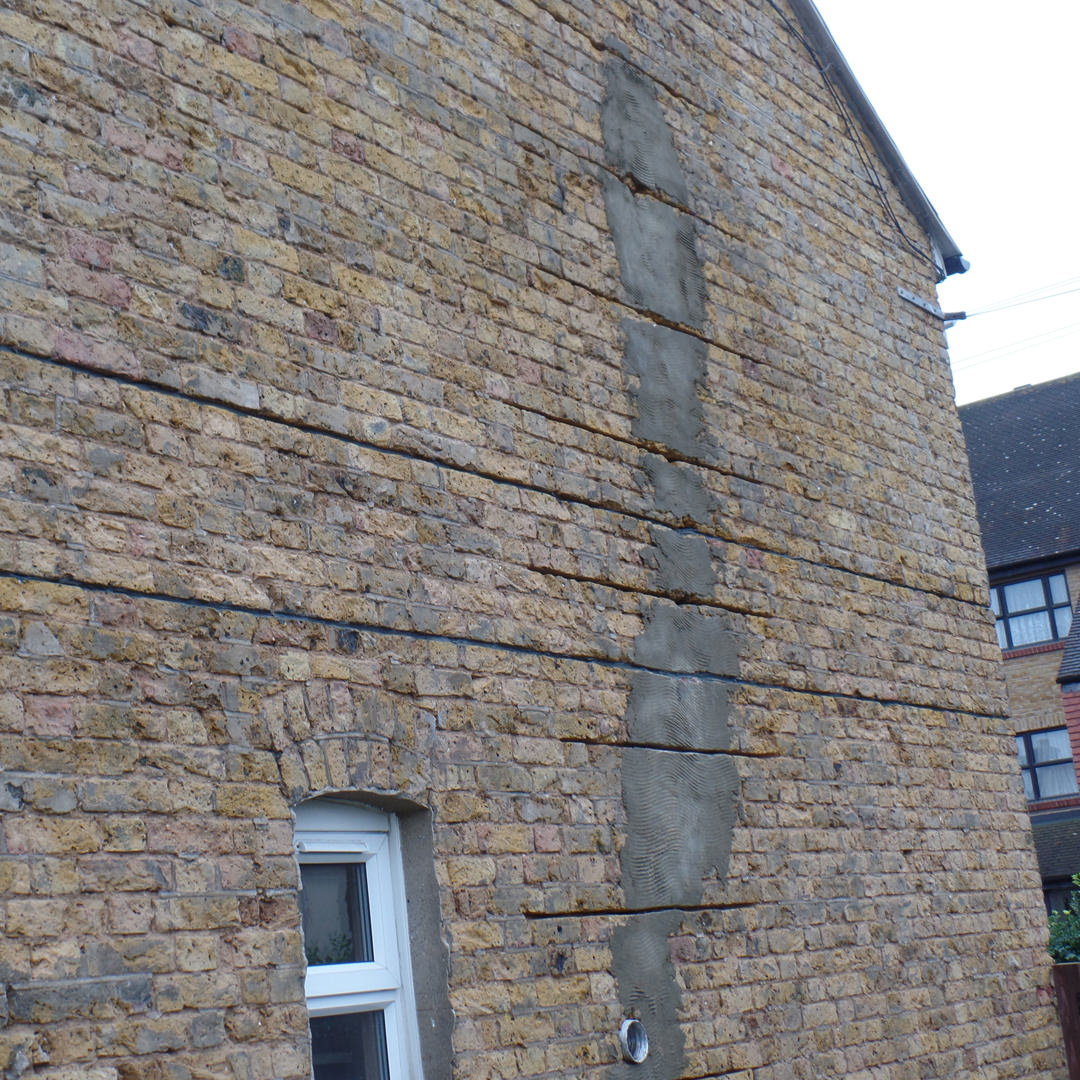
Structural distress had appeared in the rear wall, raising concerns about the stability of the property. But the real problem lay beneath it. Previous ground instability had been reported at a neighbouring property, prompting further investigation. Geotechnical testing revealed that the site was located within an area of high hazard, with a solution feature extending under the rear wall.
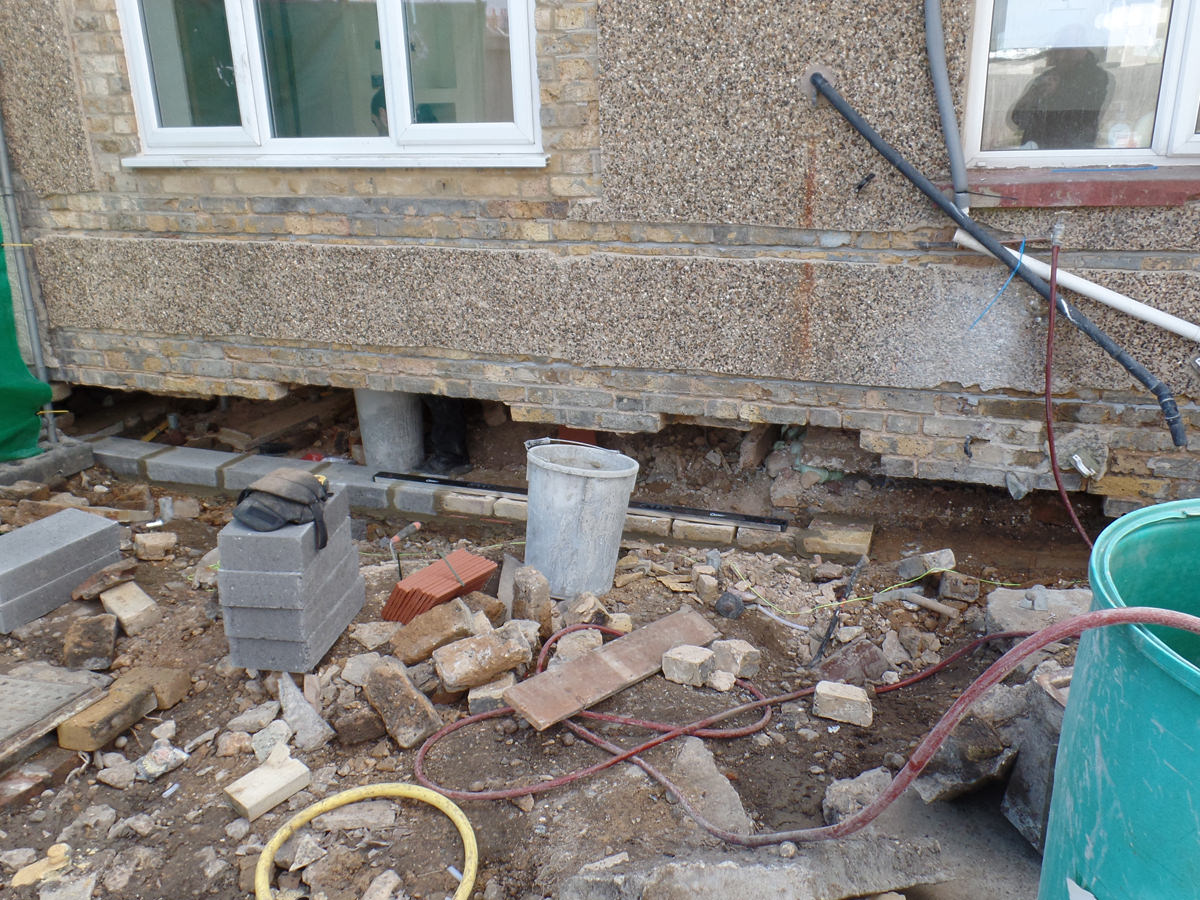
The investigation uncovered sizeable underground voids, an active swallow hole beneath and to the rear of the property. This was no longer simply a case of repairing a damaged wall. The ground itself could not be relied upon to support the buildings. With the potential for continued ground movement, conventional structural strengthening alone was not considered sufficient. Underpinning and deep ground stabilisation were required to secure the properties.
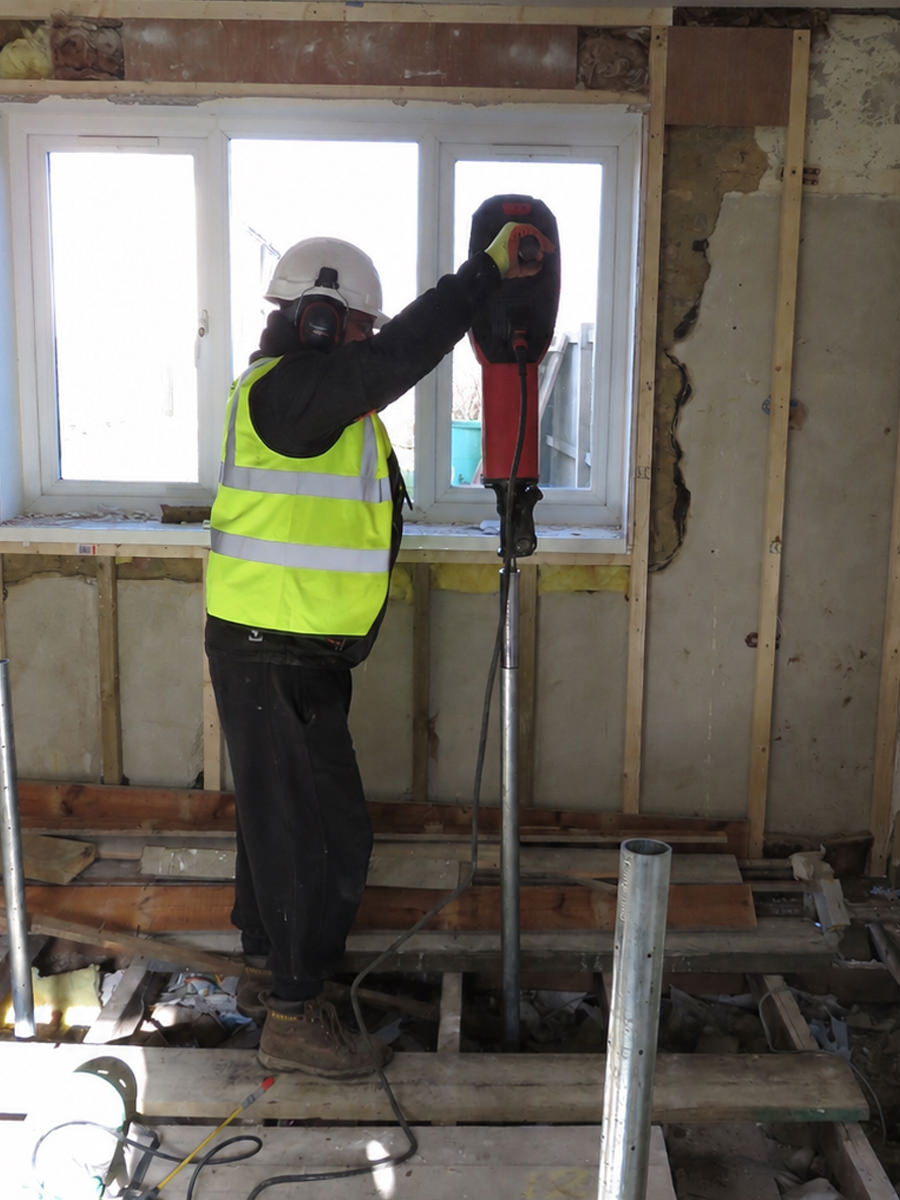
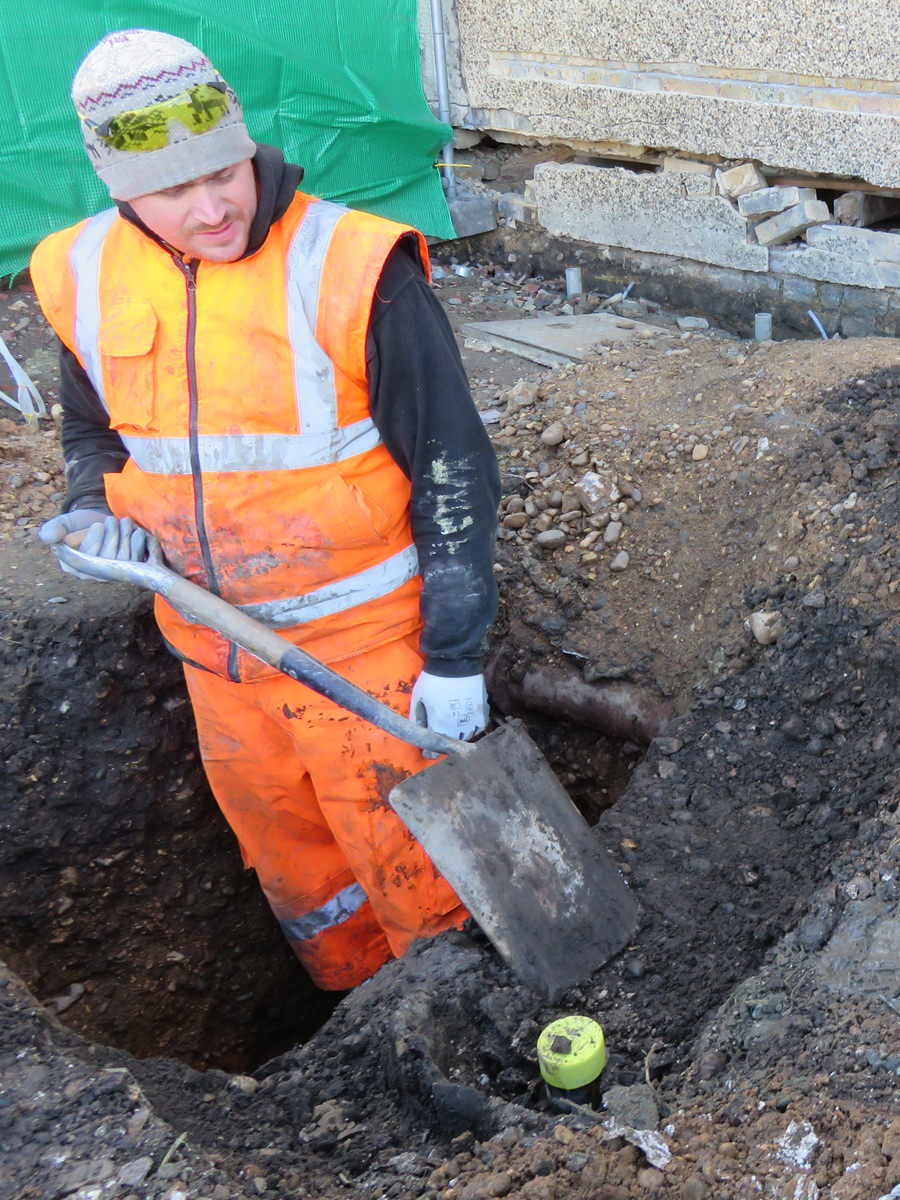
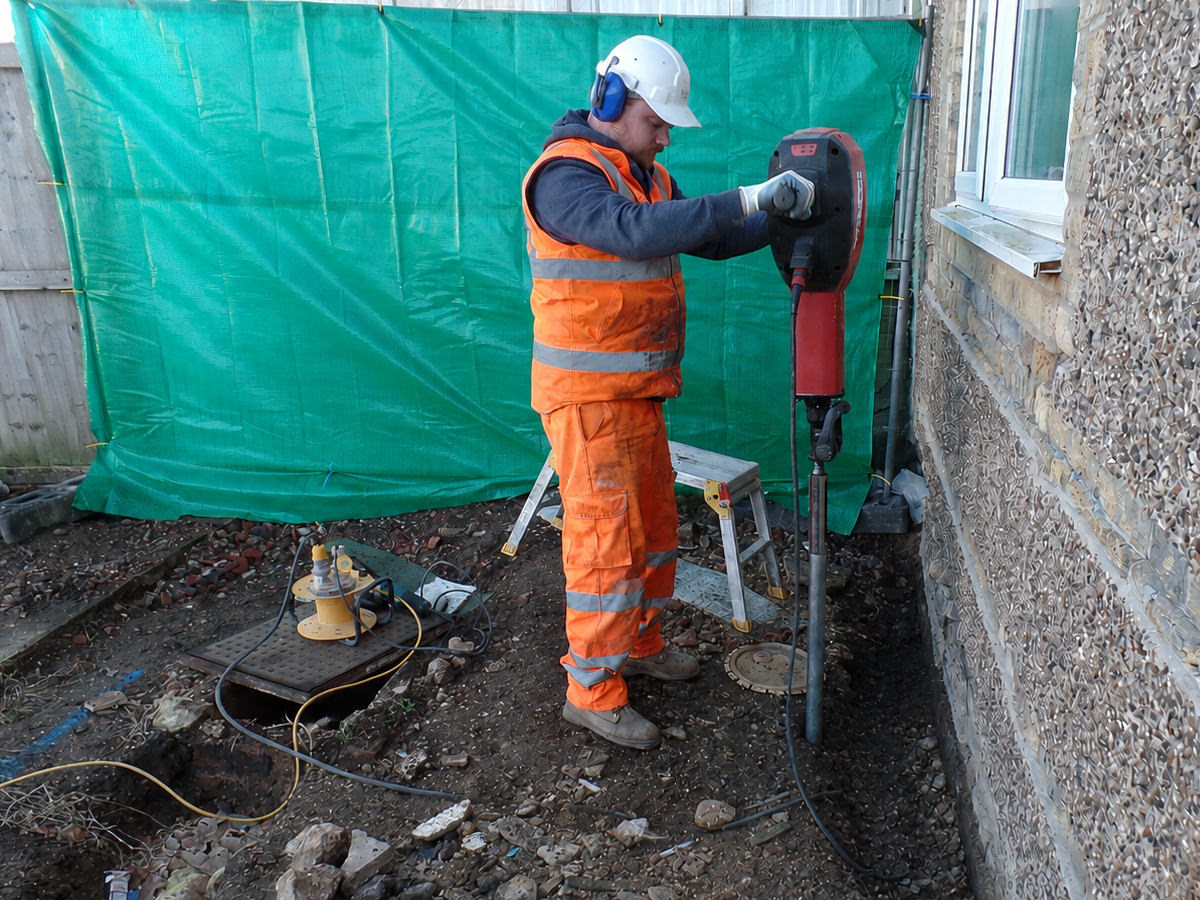
Using the findings of the geotechnical investigation, STRESS developed a specialist two-stage solution designed to address the different ground conditions at depth. First, deep-driven Geo4RCE lances were installed to introduce cementitious grout into the deeper strata, reaching depths of up to 24 metres. This was followed by the installation of ReFORCE lances to treat the higher-level non-cohesive soils. Hydro-reactive polyurethane resin was injected into the ground, penetrating the pore spaces between soil particles and forming strengthened columns beneath the affected foundations.
Together, the two techniques provided a targeted approach to stabilising the ground at different depths and addressing both the deeper ground conditions and the near-surface soils supporting the structures.
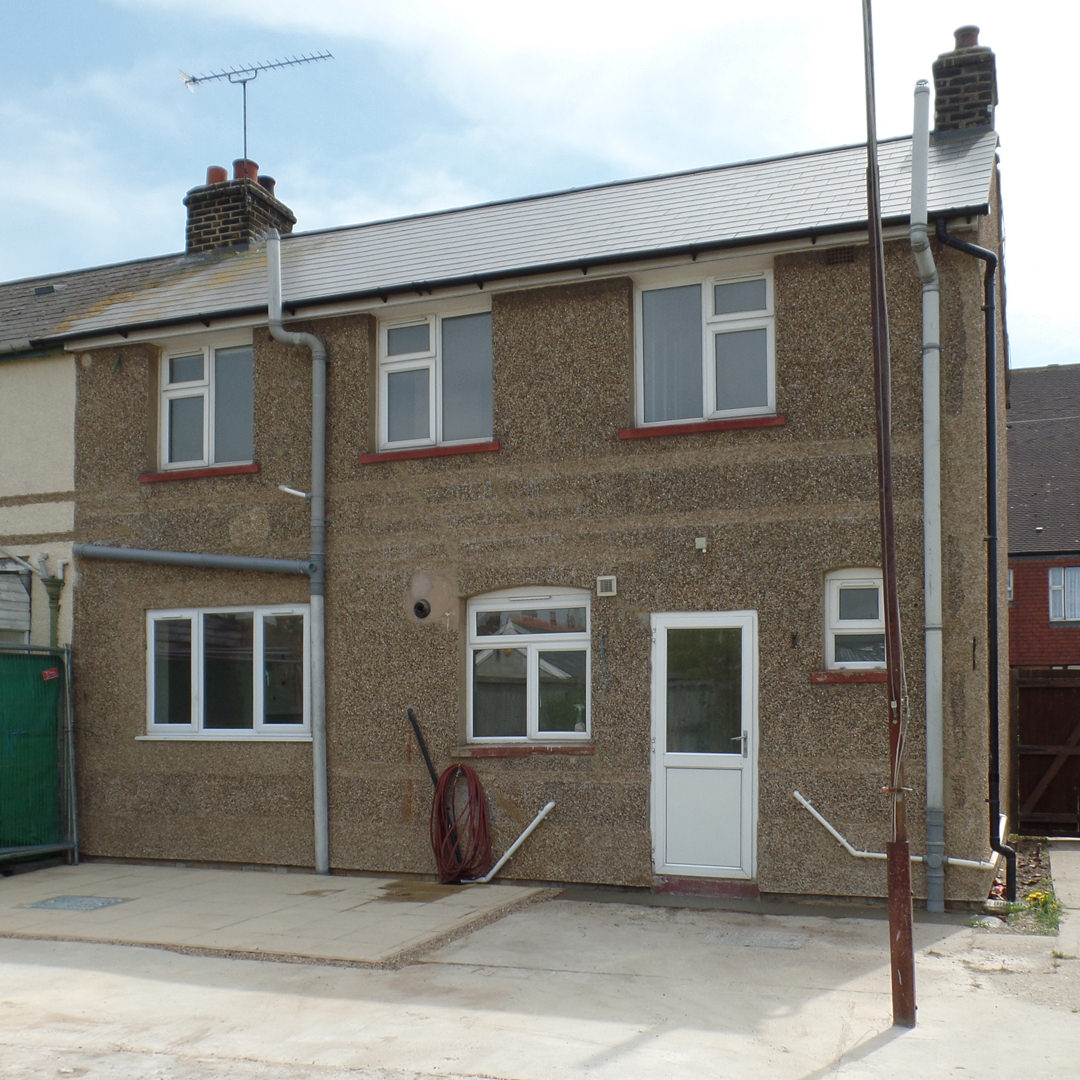
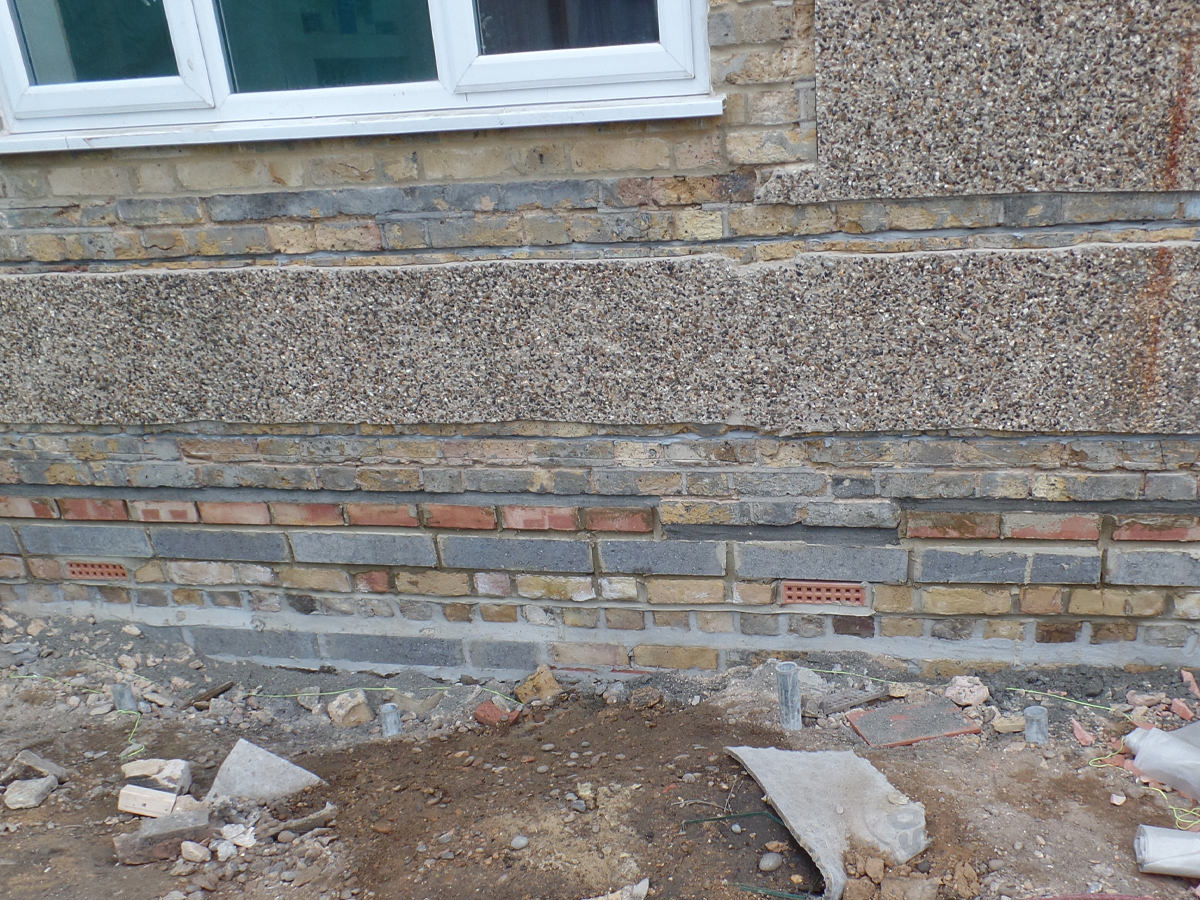
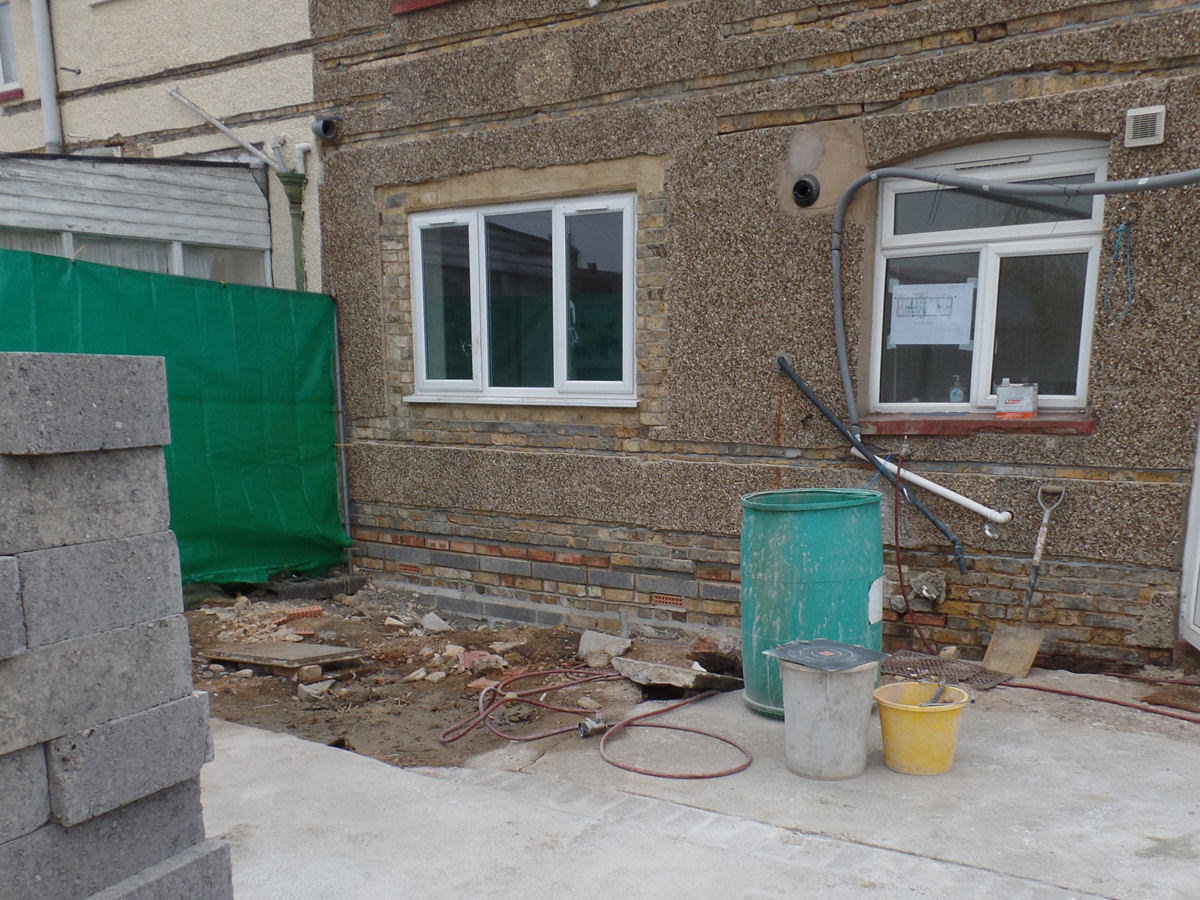
STRESS didn’t just stabilise the ground and leave the remainder of the problem to another contractor. The project was delivered as a complete design-and-build remedial package, incorporating the ground treatment and the subsequent structural repairs. This meant the client had a single specialist contractor responsible for bringing the properties from a position of structural concern through to completion.
The result meant two properties were saved. The alternative could have involved the significant cost and disruption associated with demolition and rebuilding. Instead, the homes were stabilised and retained. Combing investigation-led design, deep ground treatment and structural remediation within one package, STRESS provided Dartford Borough Council with an alternative to demolition and rebuilding.

A swallow hole is a natural opening in the ground, typically found in chalk or limestone areas, where surface water drains directly into underlying rock through dissolved channels. Over time these can develop into voids that compromise ground stability and put nearby structures at risk of subsidence.
STRESS’s Geo4RCE lances can reach depths of up to 24 metres, treating deeper unstable strata with cementitious grout. Shallower, non-cohesive soils are then treated separately using ReFORCE lances with hydro-reactive polyurethane resin injection.
Underpinning strengthens a building’s foundations directly, while ground stabilisation treats the soil itself, often at significant depth, to prevent continued movement. Where voids or hazardous ground conditions exist, as with an active swallow hole, ground stabilisation is required alongside or instead of conventional underpinning to address the root cause rather than just the symptom.
In many cases, properties can be saved. This case study shows two properties stabilised and retained using a two-stage ground treatment programme, avoiding the cost and disruption of demolition and rebuilding.
A single specialist contractor delivering both the ground treatment and subsequent structural repairs as one design-and-build package removes the coordination risk of separate contractors, and gives the client one point of responsibility from initial investigation through to completion.
A faster alternative to traditional underpinning
Minimal disruption to the property and occupants
Reduced excavation and reinstatement requirements
A targeted engineering solution designed around the site conditions
Precision resin injection technology