MENU

Home > Historic Property Restoration > Archaeological locations
Client: Bath & North East Somerset Council
Project location: York Street, Bath
Contract value: £510,000
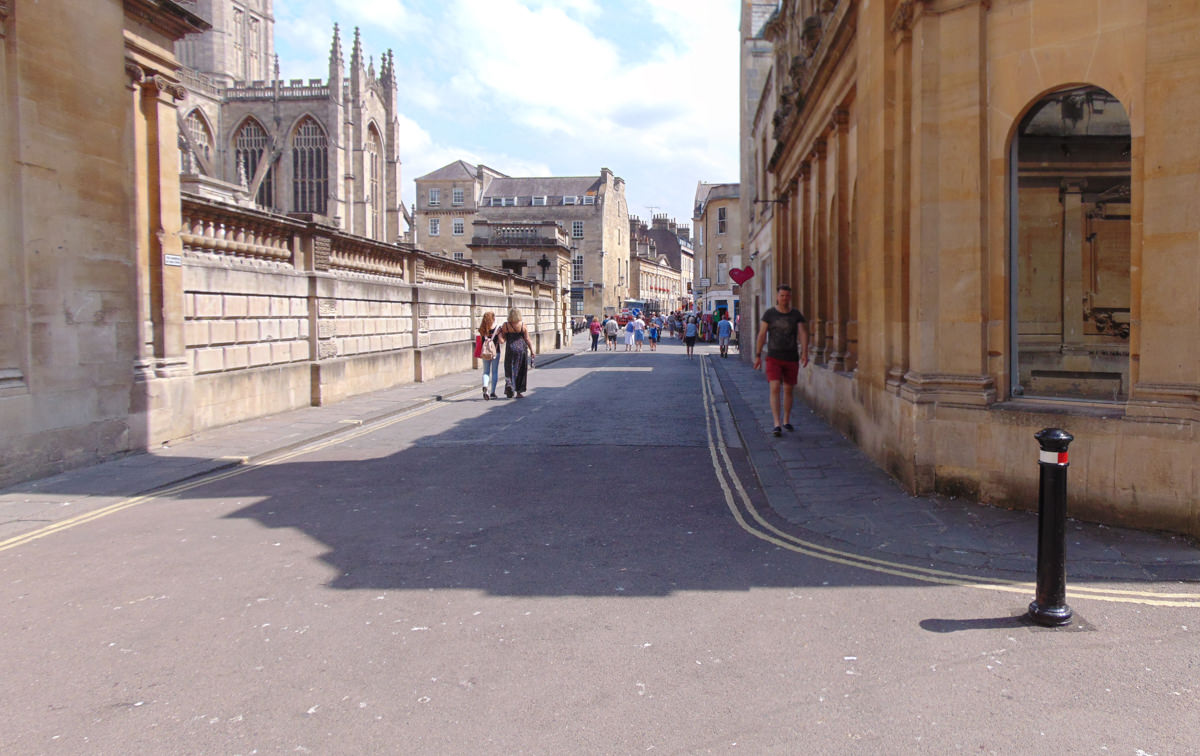
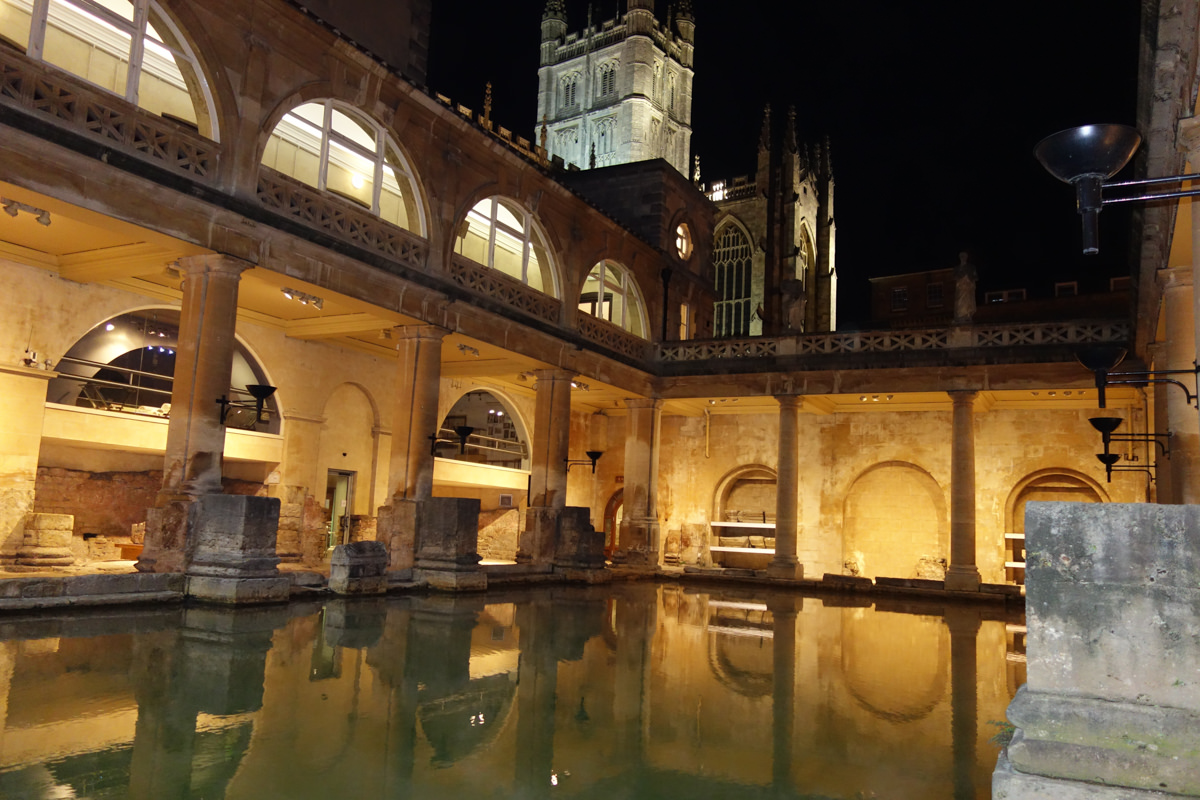
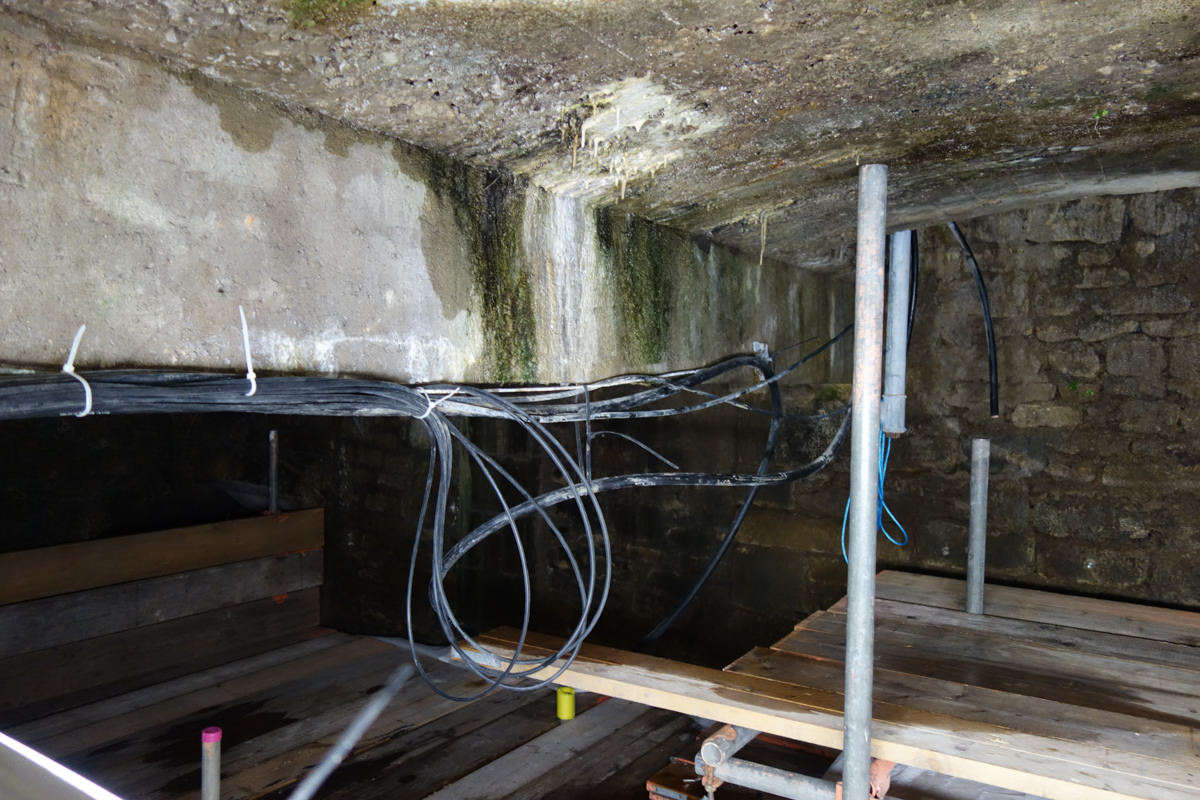
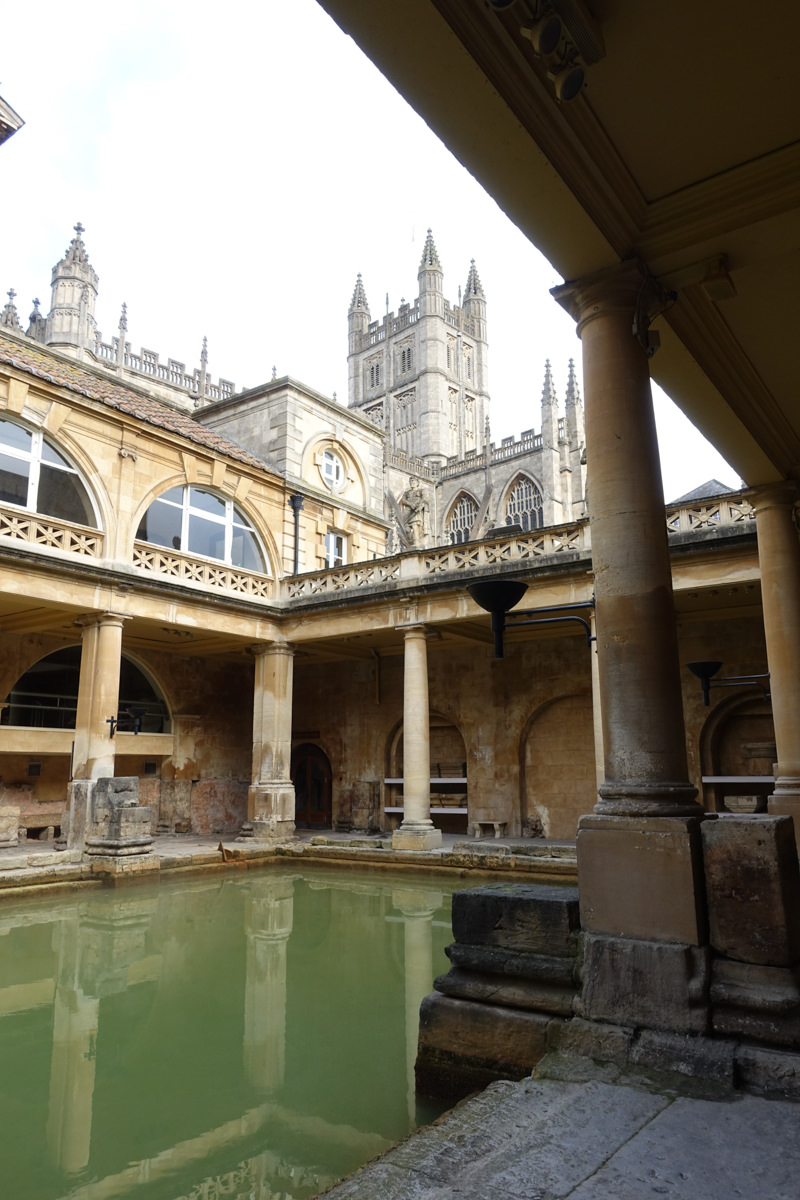
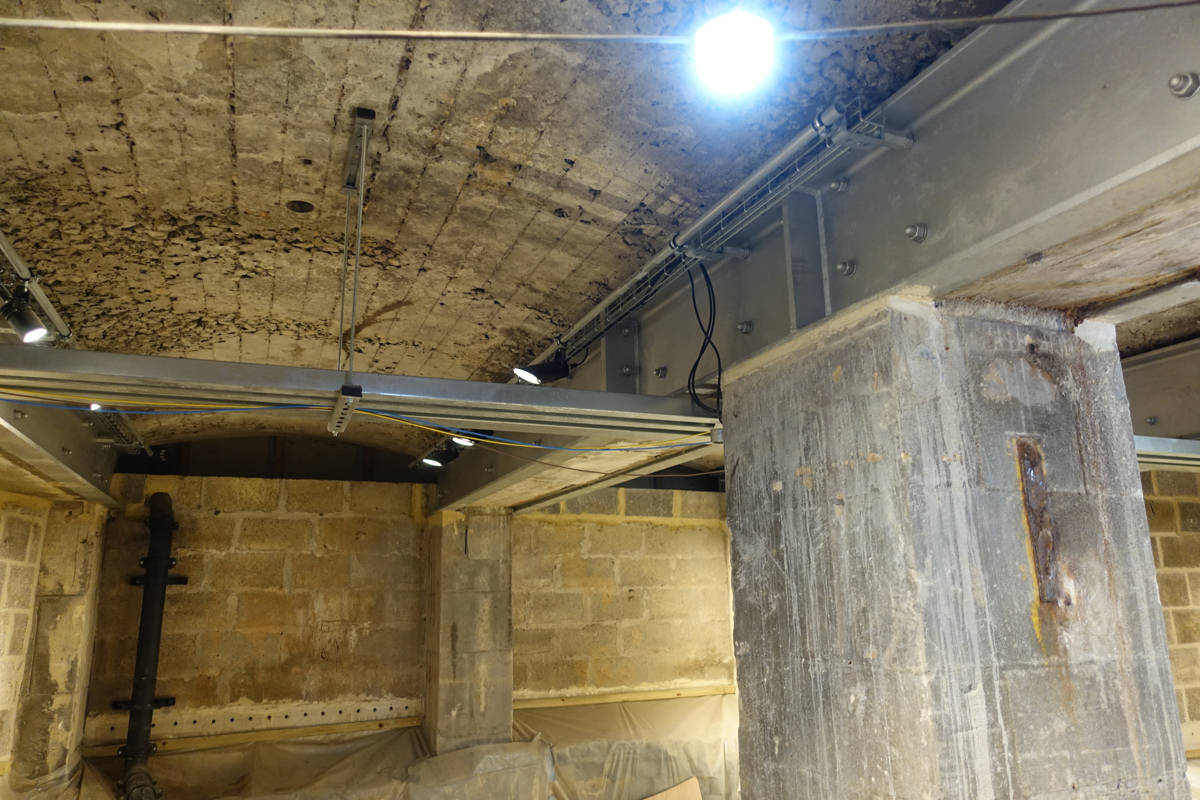
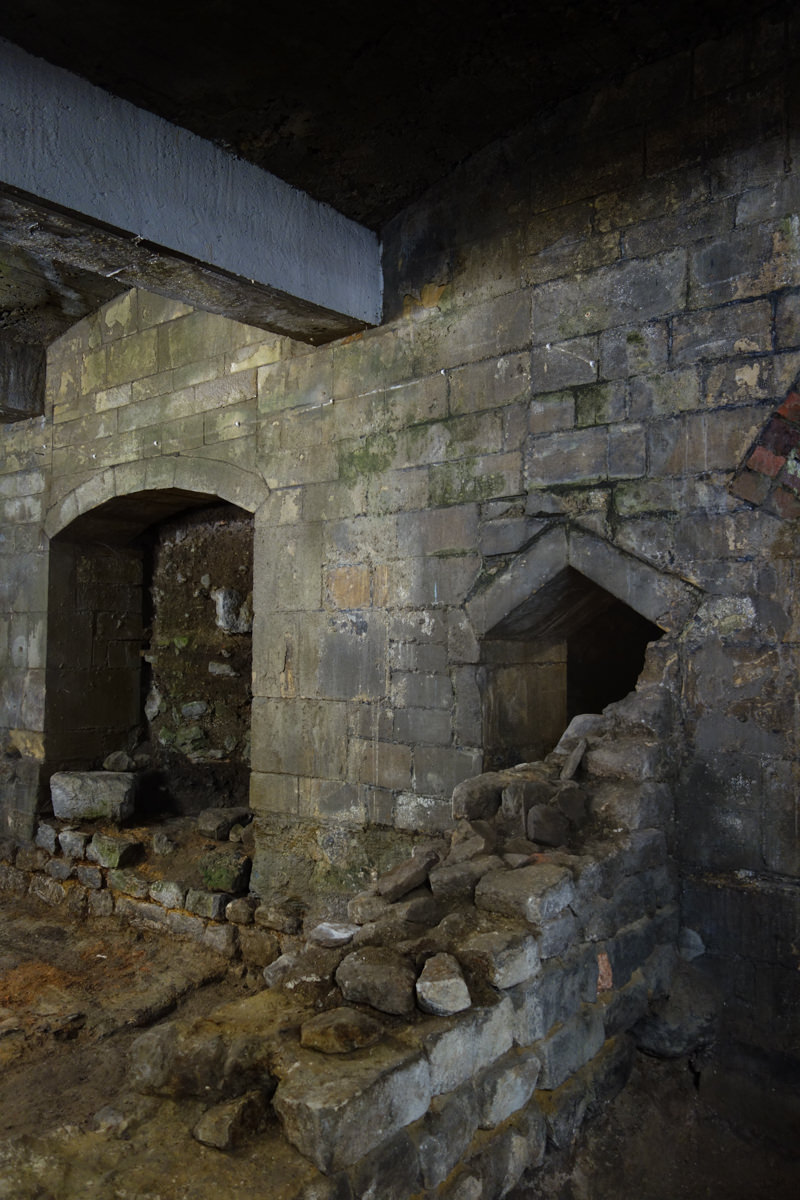
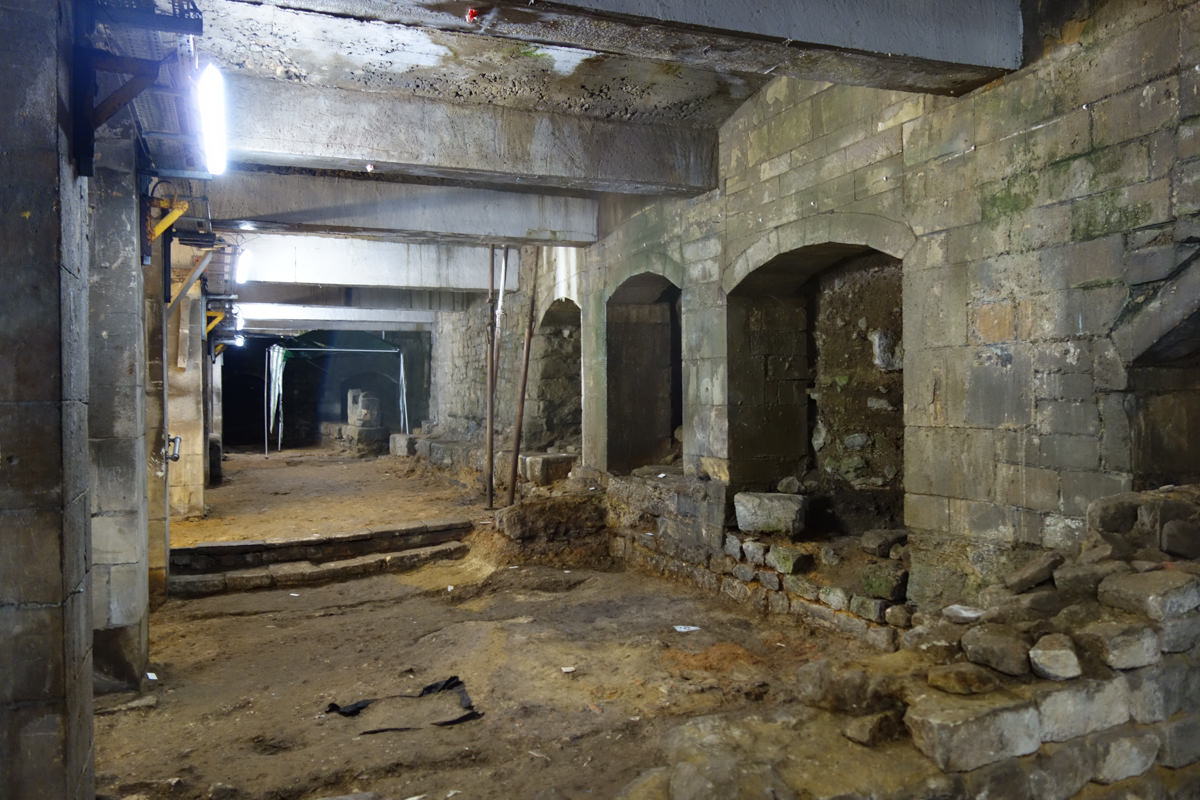
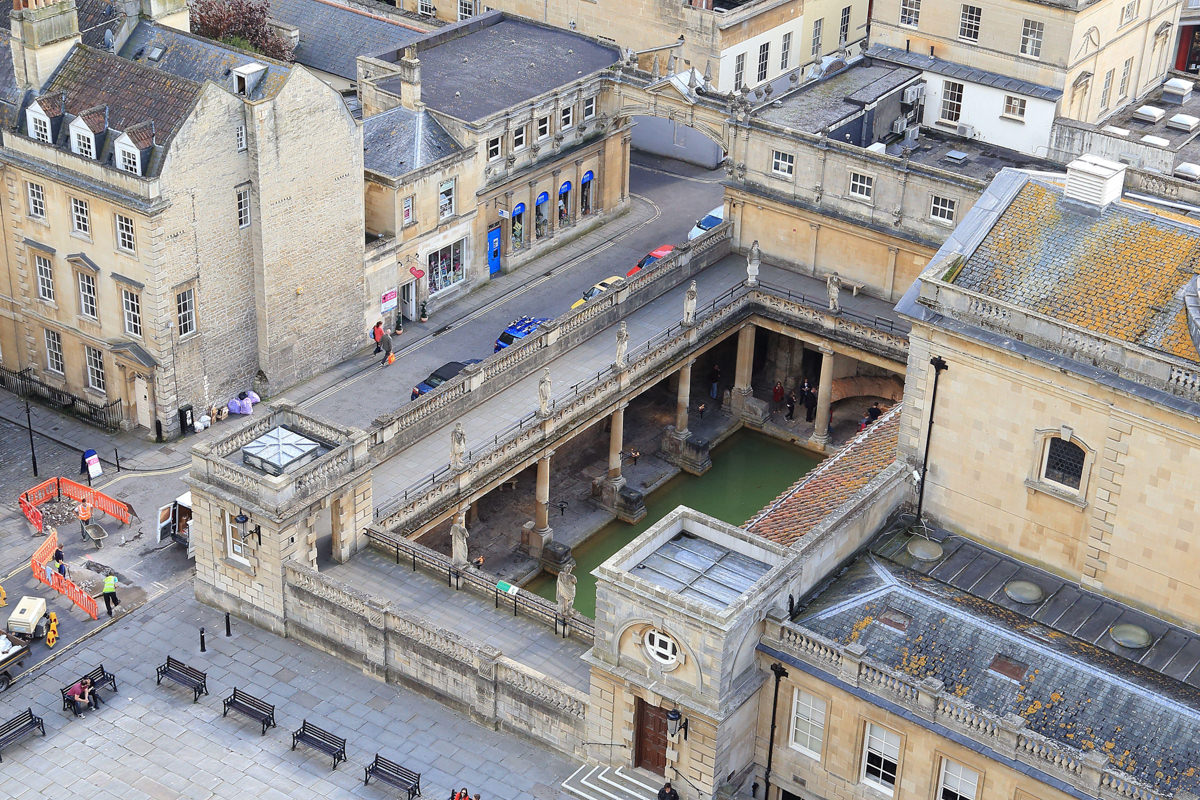
York Street in Bath runs parallel and next to the Roman Baths museum. During Victorian times the level of the street, as with many other roads in Bath, was raised by approximately 4m above the old Roman pavement. The street is supported on a series of composite steel and concrete beams (with concrete jack arches between) which were found to be corroding mainly at the bearings ends. The street then had to be shut to heavy goods vehicles until a solution was found. Stress UK were called in to try and find a practical method of achieving the replacement or strengthening of the existing beams.
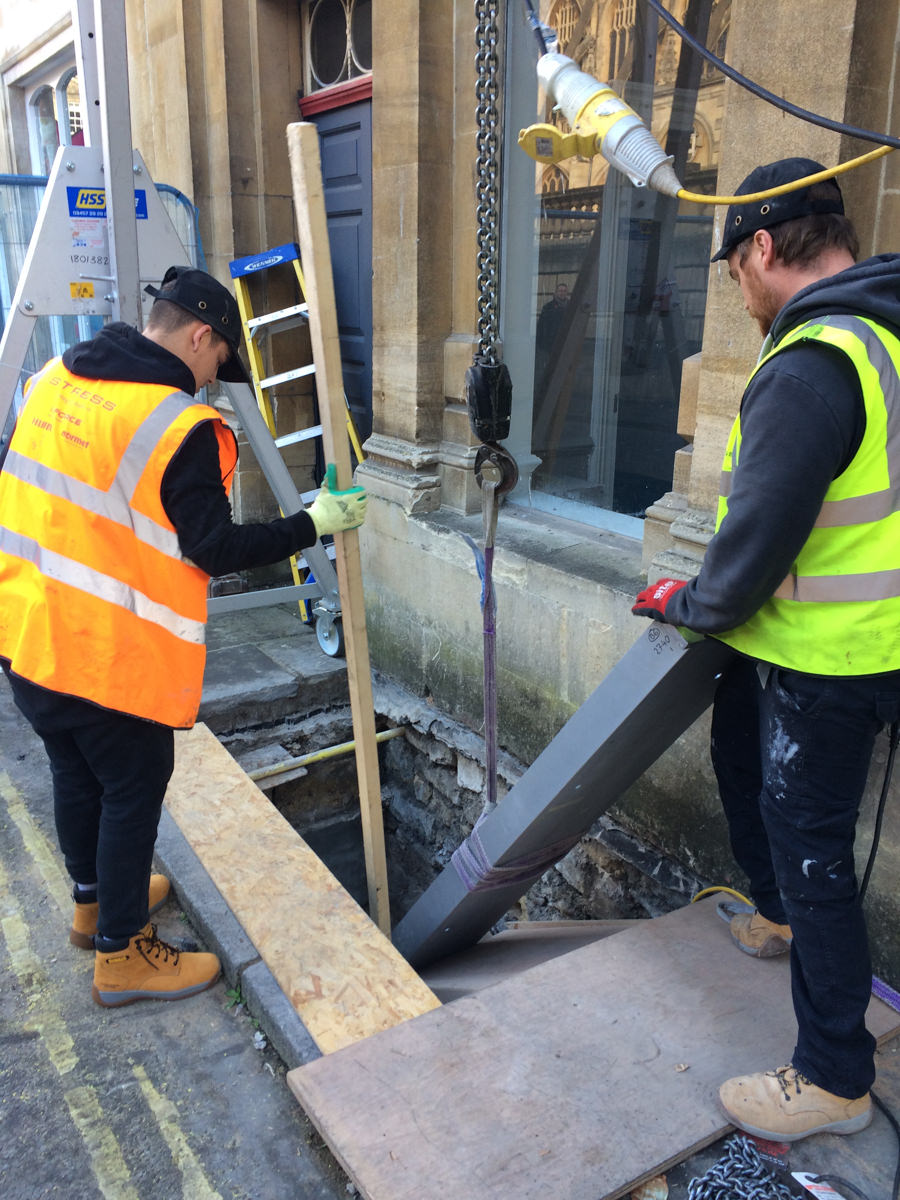
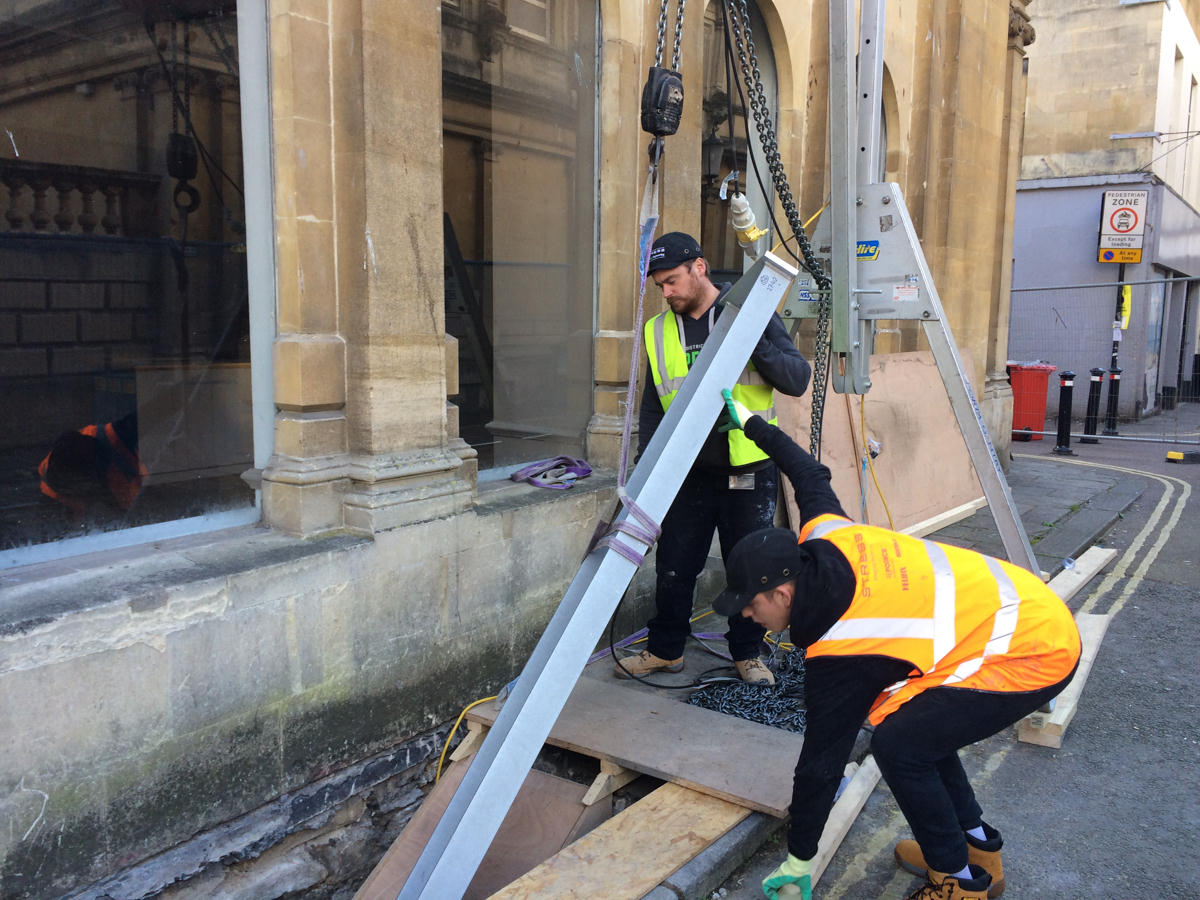
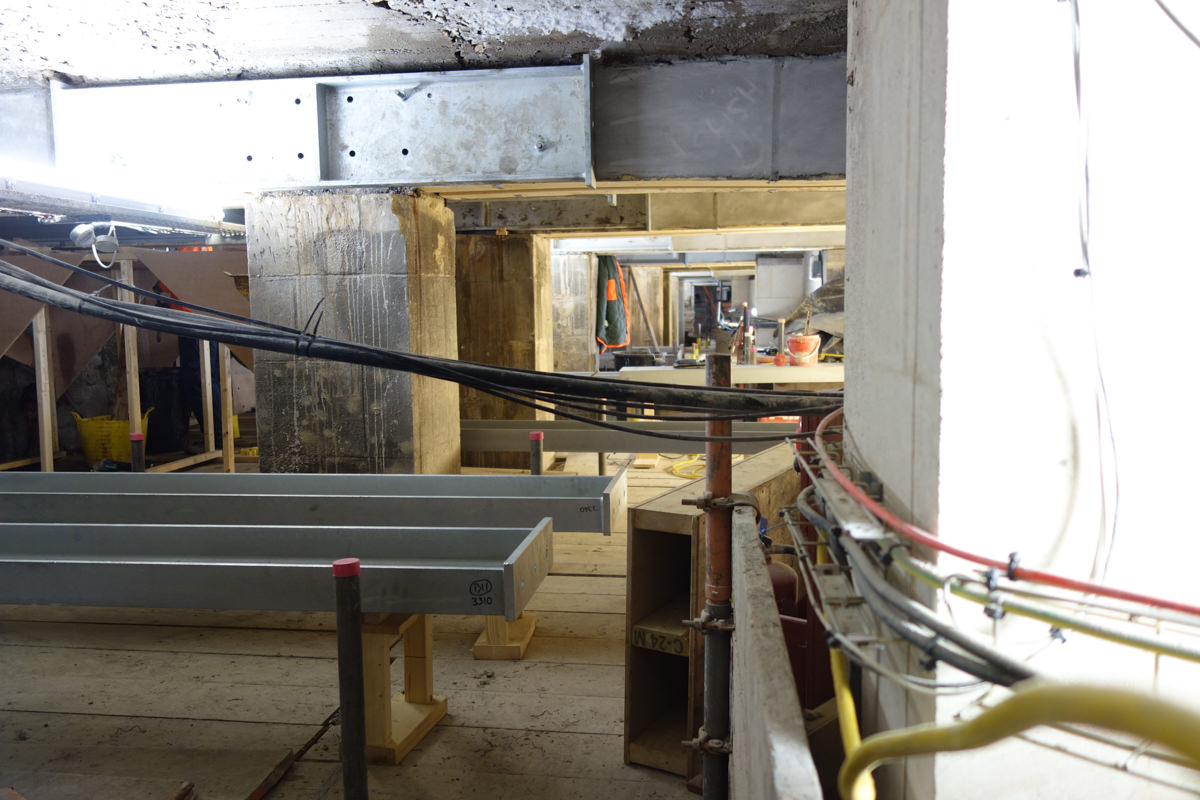
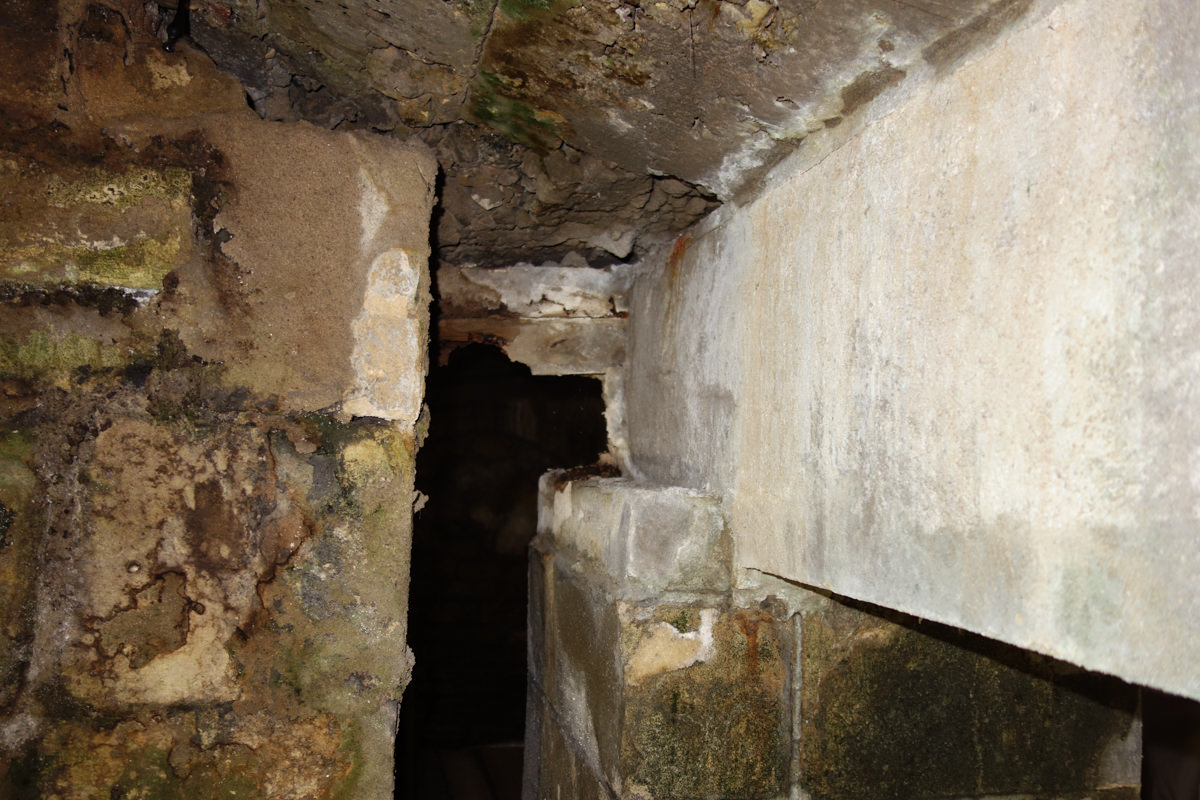
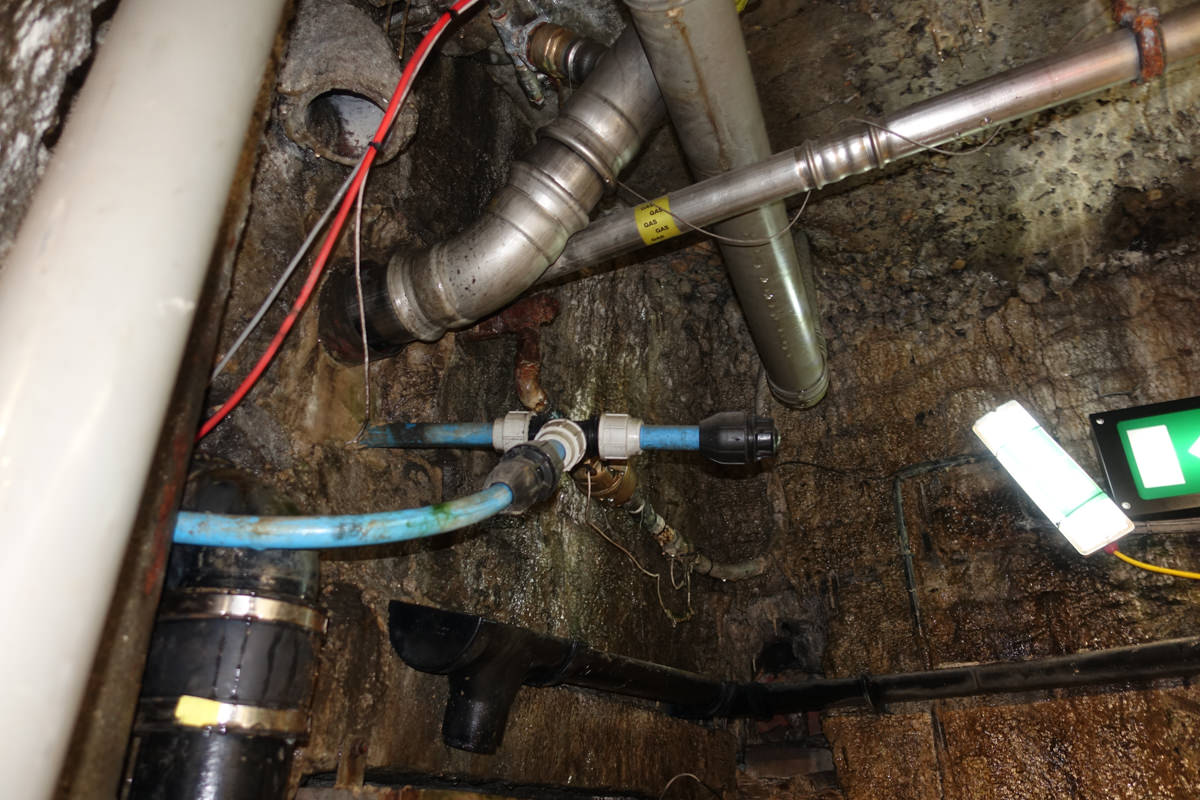
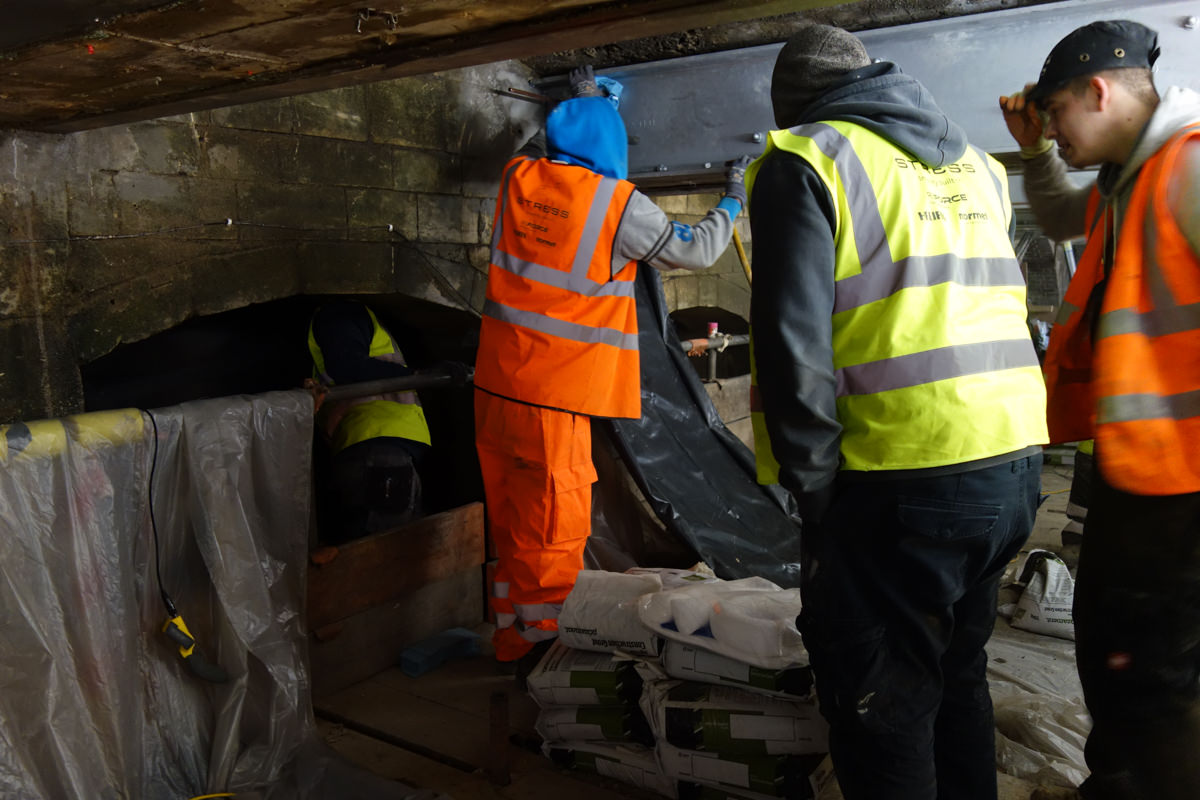
The void beneath the road has highly restricted to access due to it being directly next to the Roman Baths and the area being the site of Roman ruins. No suitable route through the museum was practical and so all plant and materials had to be lowered from York Street via a manhole. Being above and beside a historic monument meant that no dust, noise or vibration could be tolerated during the works. Agreement with the archaeologist had to be made to be able to install a working platform over the Roman pavement.
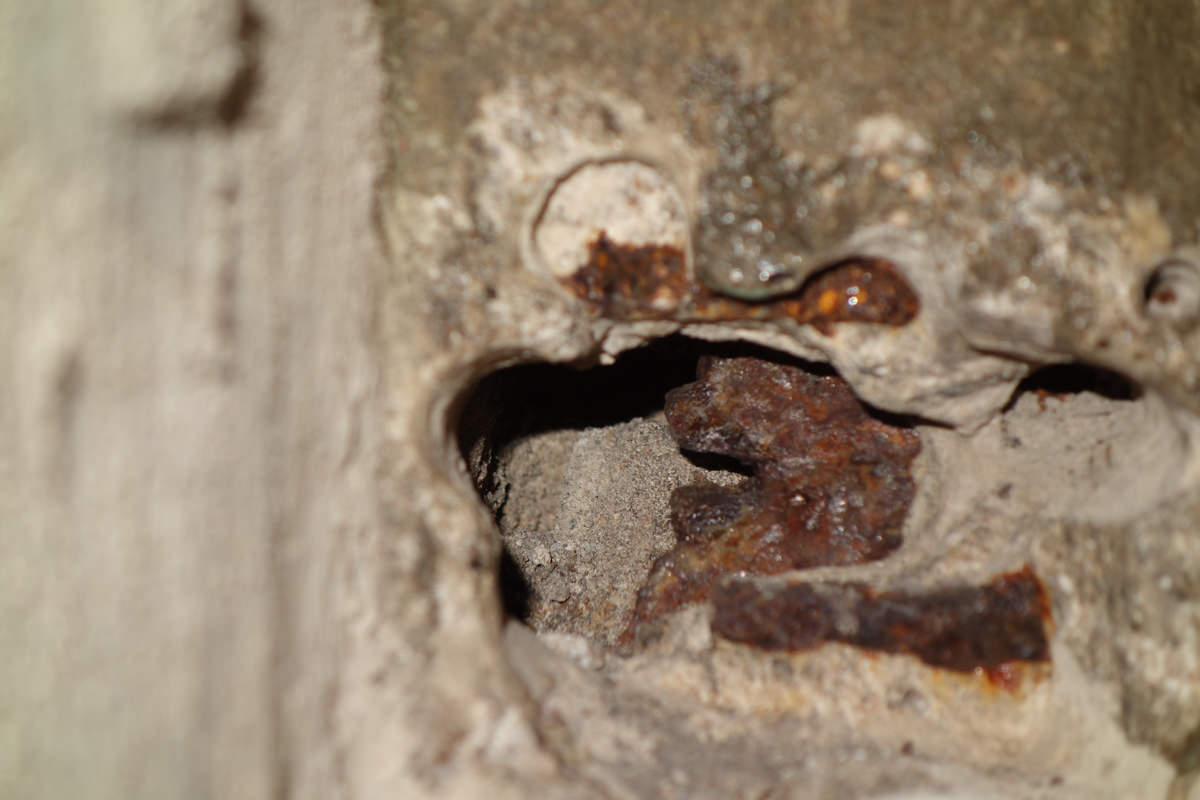
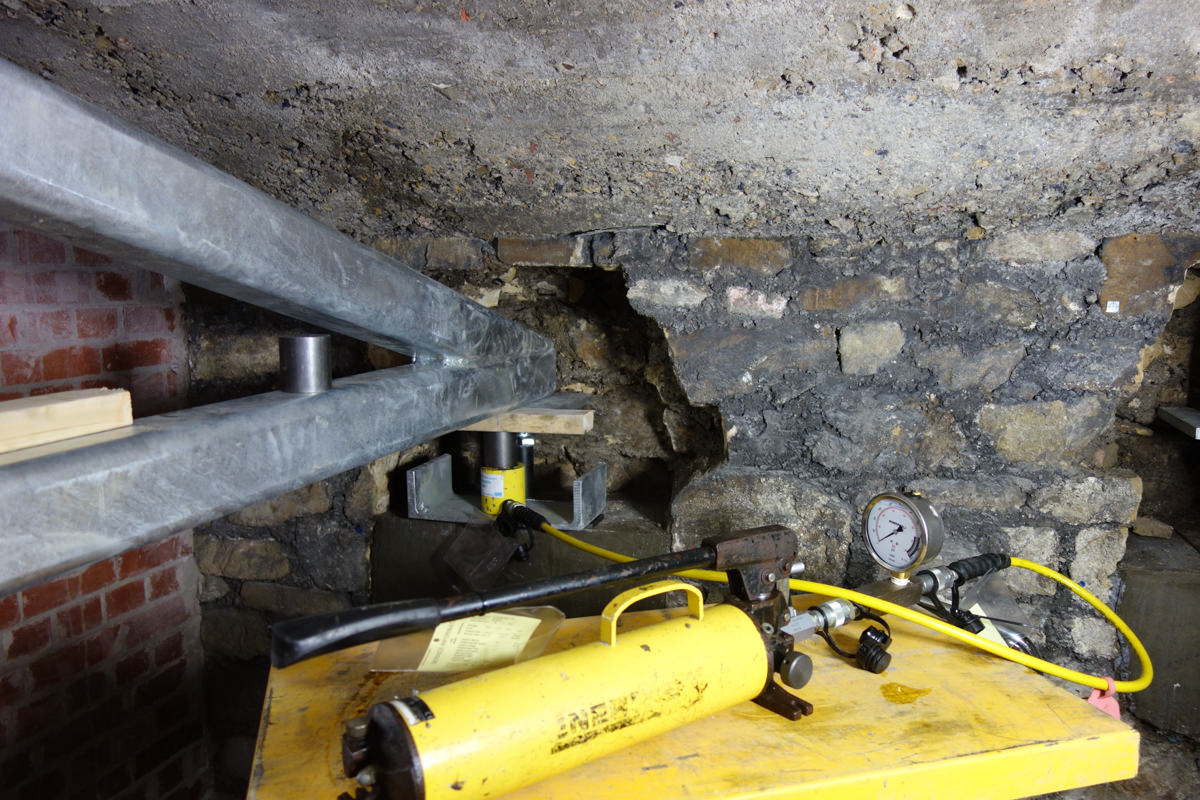
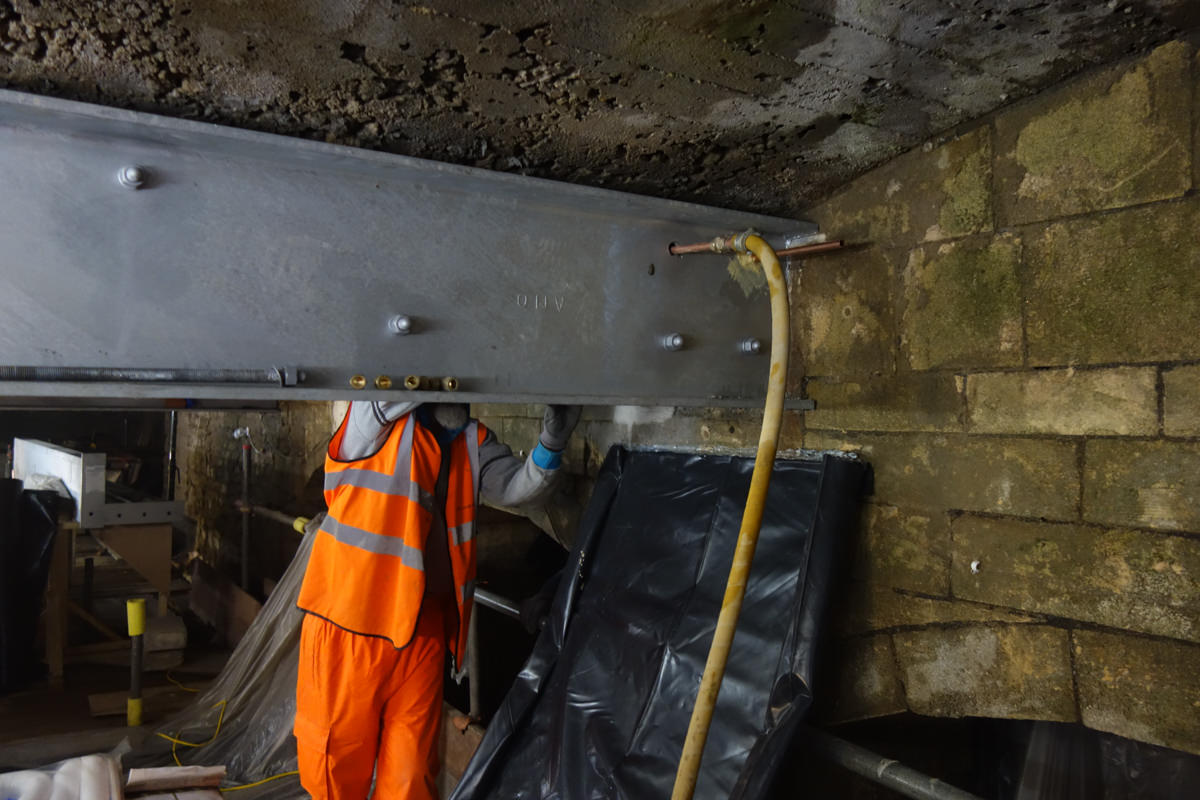
Careful breaking out of the concrete casing at the ends of the beams revealed corrosion of the main steels around the bearing areas. Our team were required to work in a confined, difficult space in a location that features some of the UK’s most prized Roman ruins.
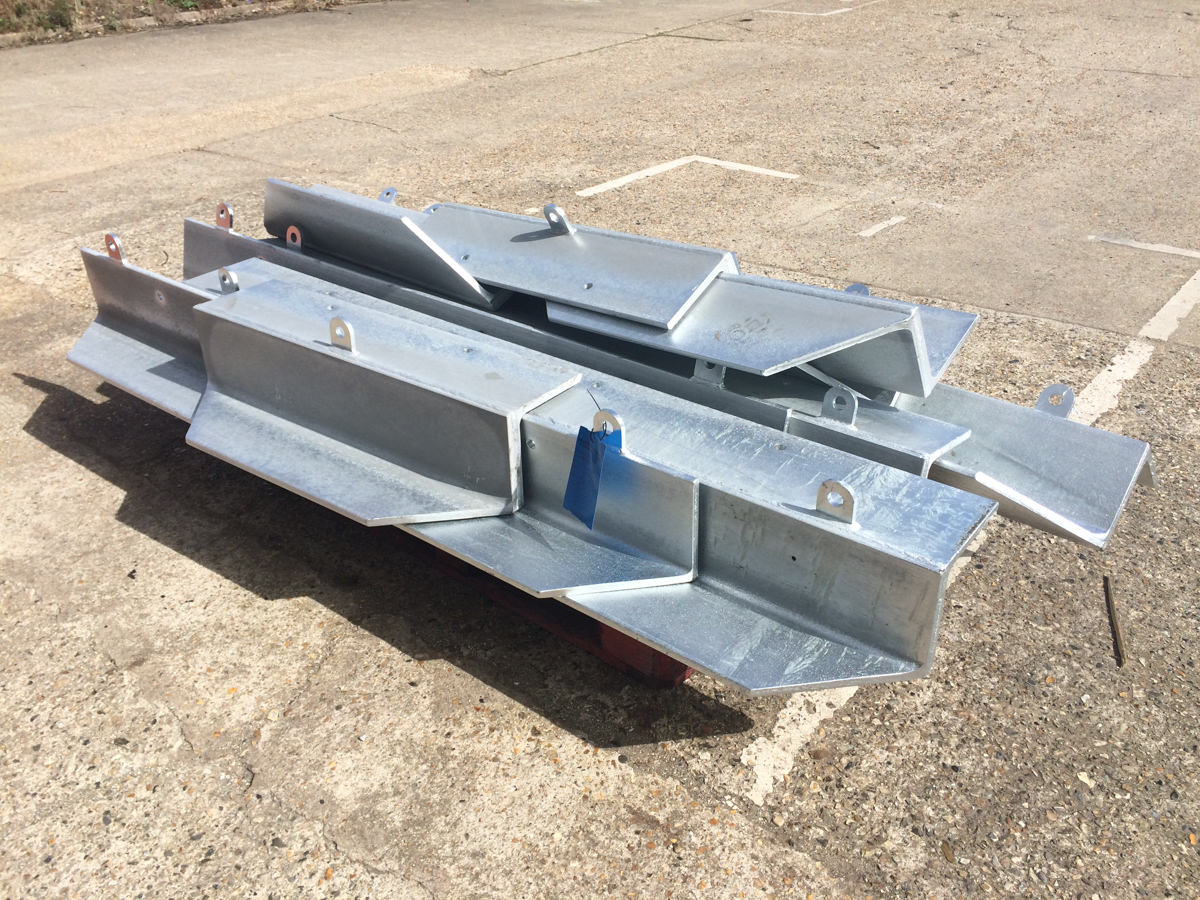
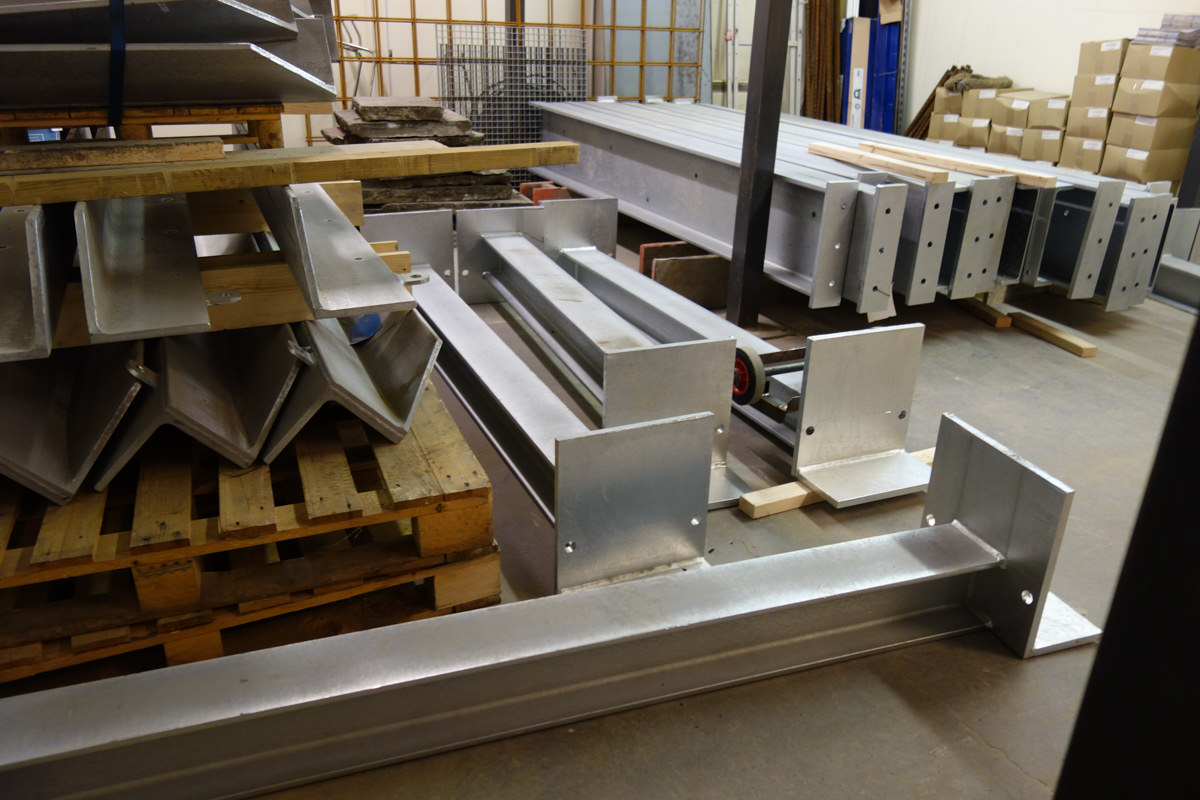
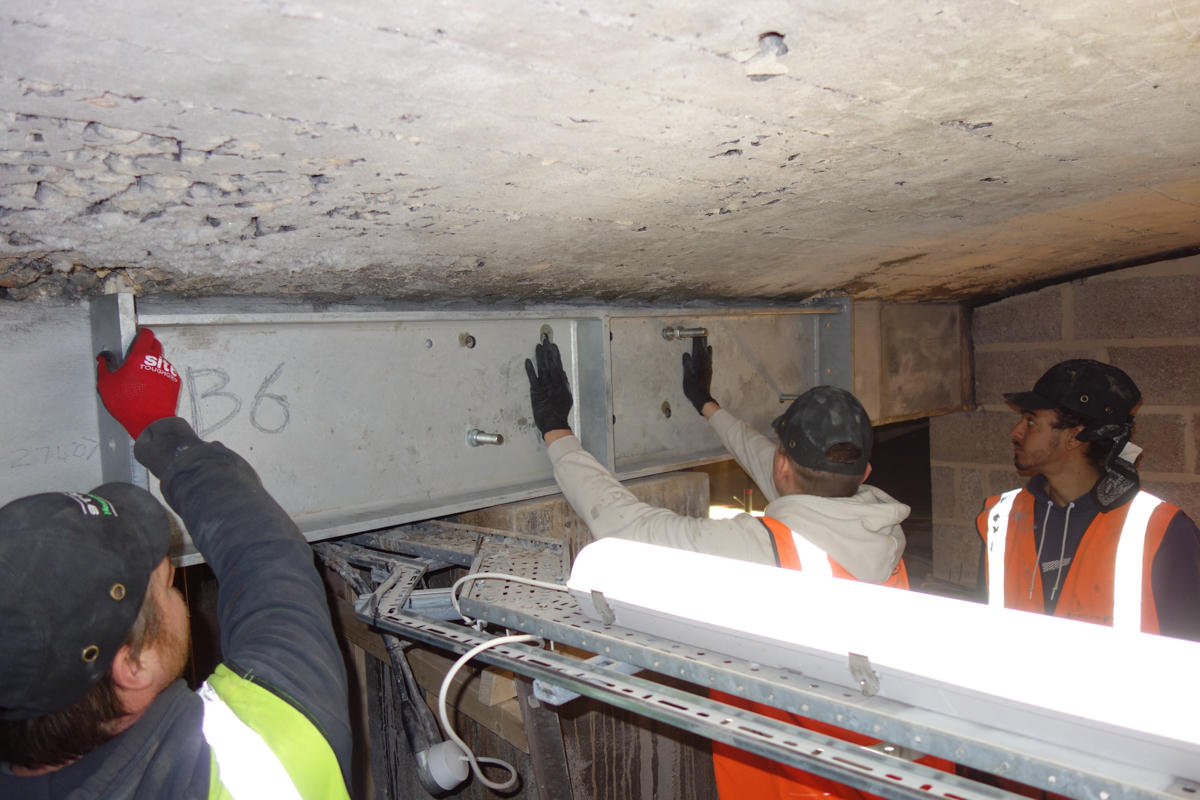
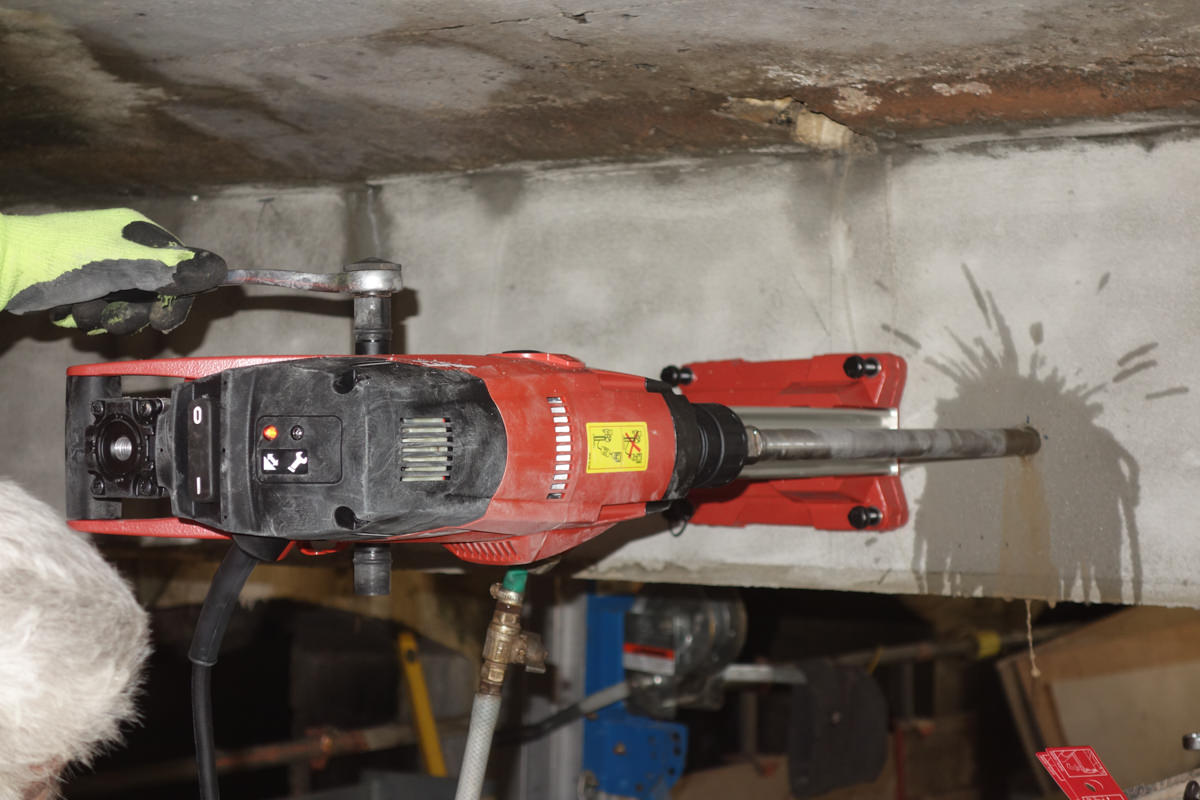
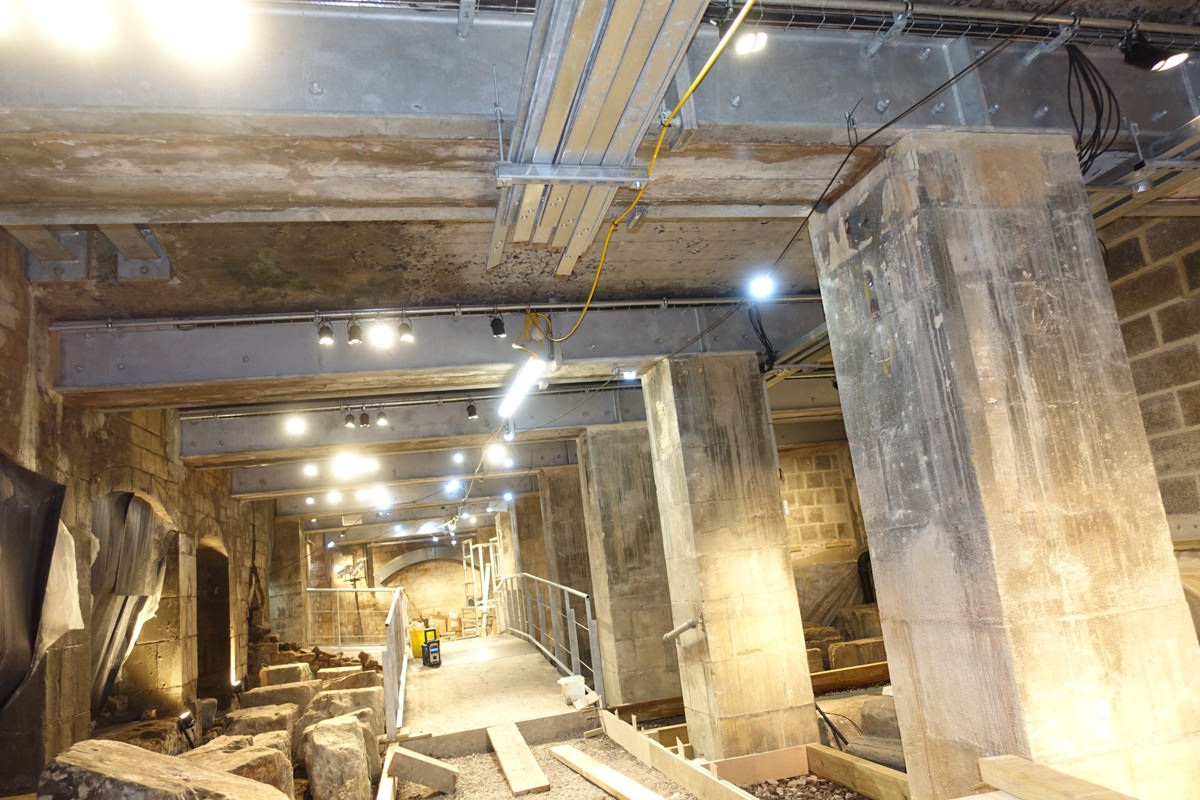
Planning a safe system of work with no noise, dust or vibration and being able to lower into and use heavy steel beams in a highly restricted area was our first major task. The existing Victorian composite beams comprising two parallel steel I-beams side-by-side and surrounded in concrete had to be diamond drilled for the installation of bolts. The location of the holes was marked out using templates which were identical to the templates used by the steel fabricators for the new galvanised C-section beams.
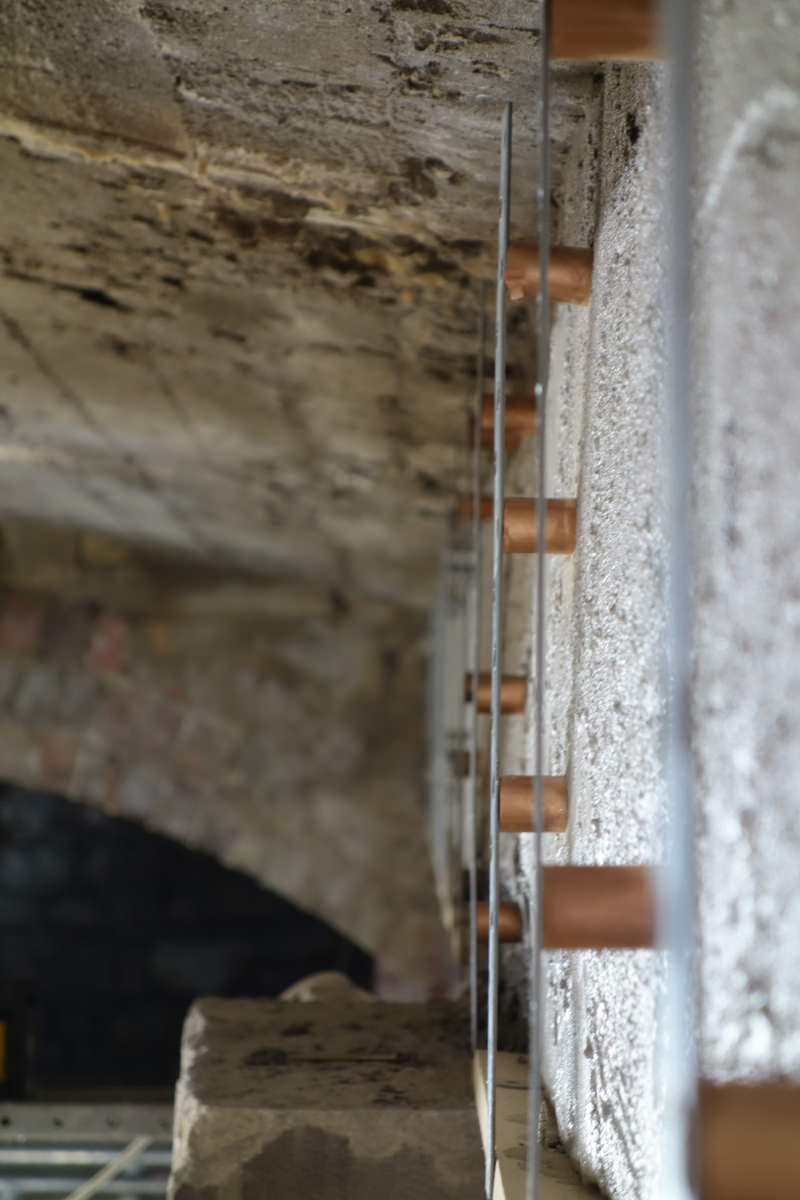
Using prefabricated C-section galvanised steels meant that each segmented beam could come in three lengths, lowered beneath the road and bolted together on site beside the original Victorian composite beams.
Lengths and weights of new steel which could be handled down through the manhole and lifted easily into position beside the old beams. Leaving the existing beams in position and fitting new full capacity steels meant the noise, dust and general disturbance was kept to the absolute minimum.
The engineering collaboration, innovation of the system adopted, support of the client and team spirit of the project crew resulted in a difficult problem being solved efficiently, quietly, to programme and budget and resulting in a highly successful outcome for the museum and a road re-opened to traffic for the client.
David Kitching
Stress UK,
Managing Director

This was another project where we were commissioned to carry out some specific remedial structural repairs to brickwork but were then challenged to find a solution for replacement of load bearing stonework at high level. We produced a temporary works design which was checked by CTP Consulting, and we thank Cliveden Conservation Workshop for their excellent stonework. It was a pleasure to work with a forward-thinking team and client.