MENU

Home > Structural Repair & Strengthening > Addressing climate change through sustainable and traditional building techniques
Home > Structural Repair & Strengthening > Addressing climate change through sustainable and traditional building techniques
Loss adjuster: Sedgwick
Location: Bedford
Completed: 2023
Budget: £52,000
Sustainable conservation and carbon reduction
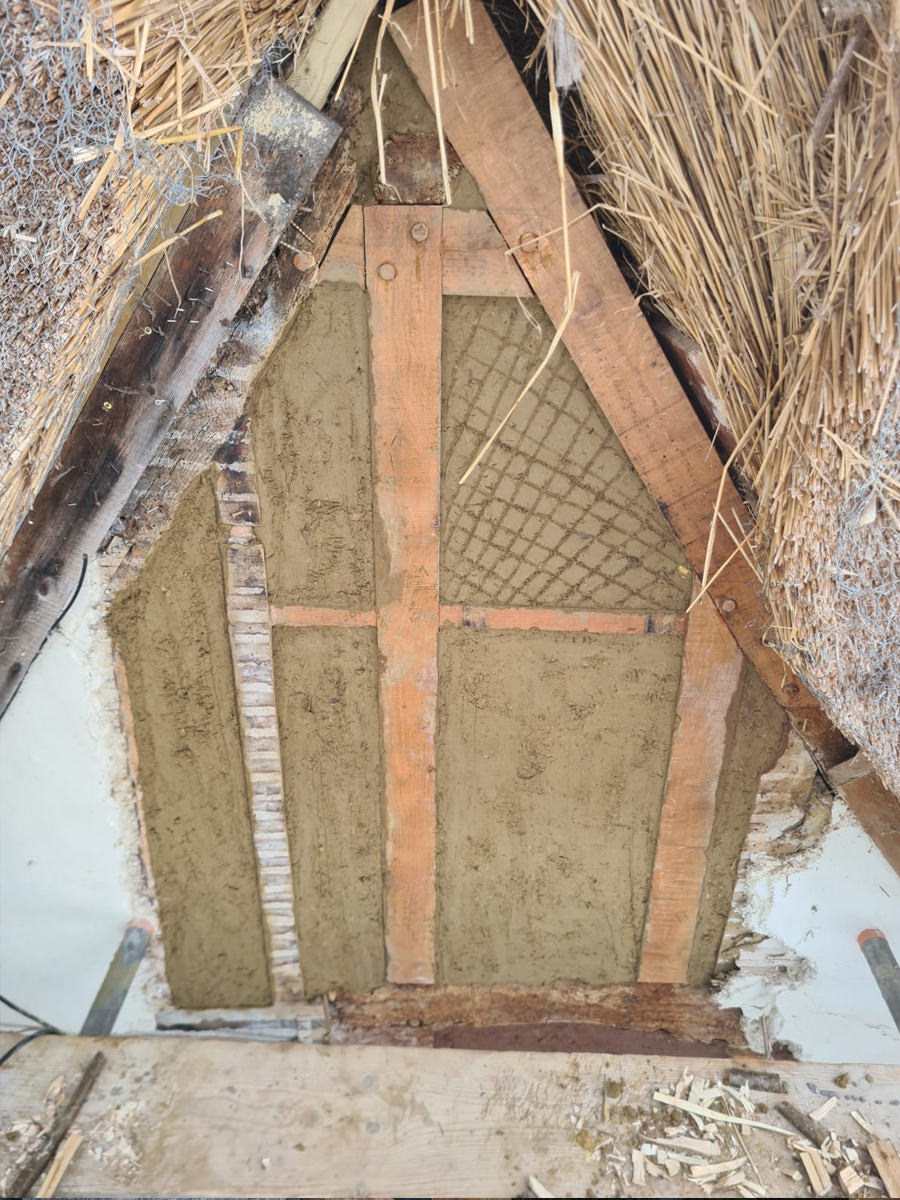
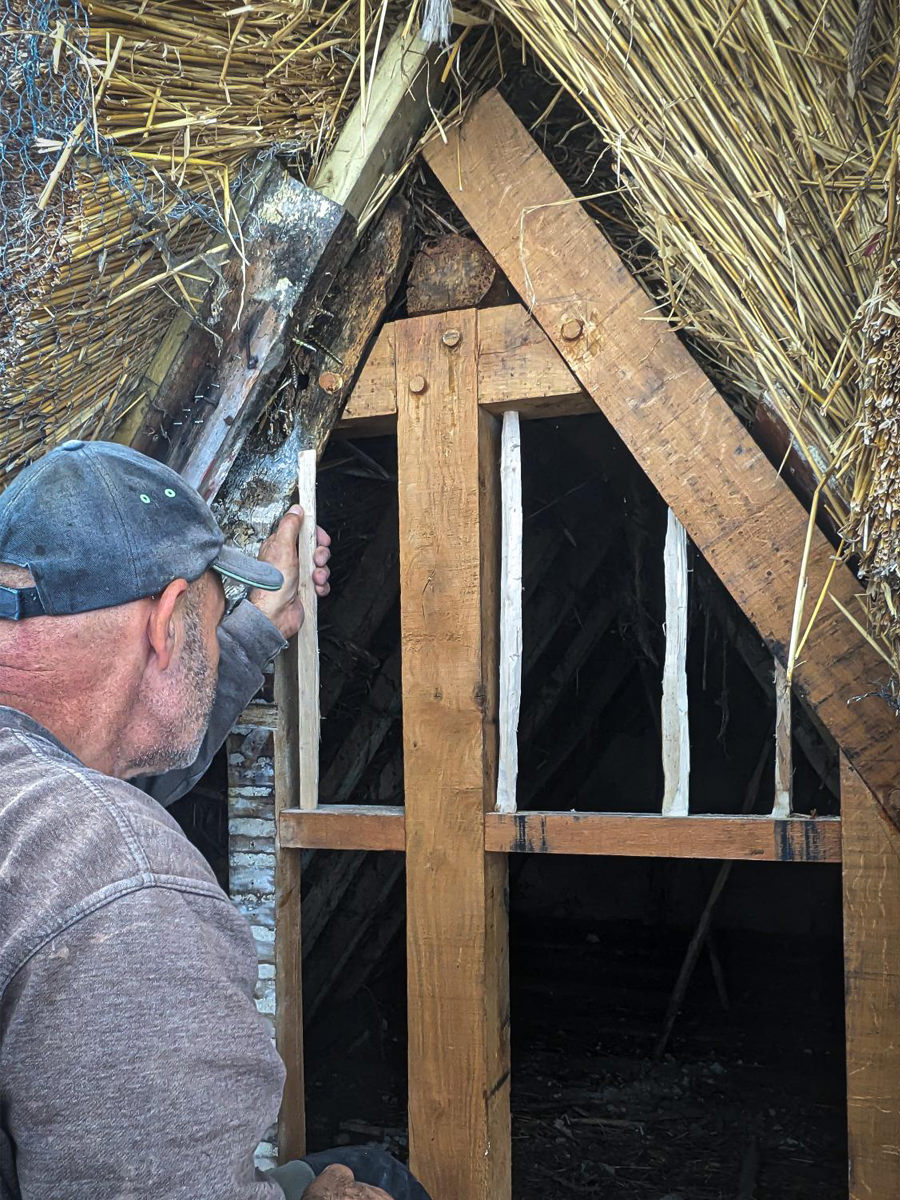
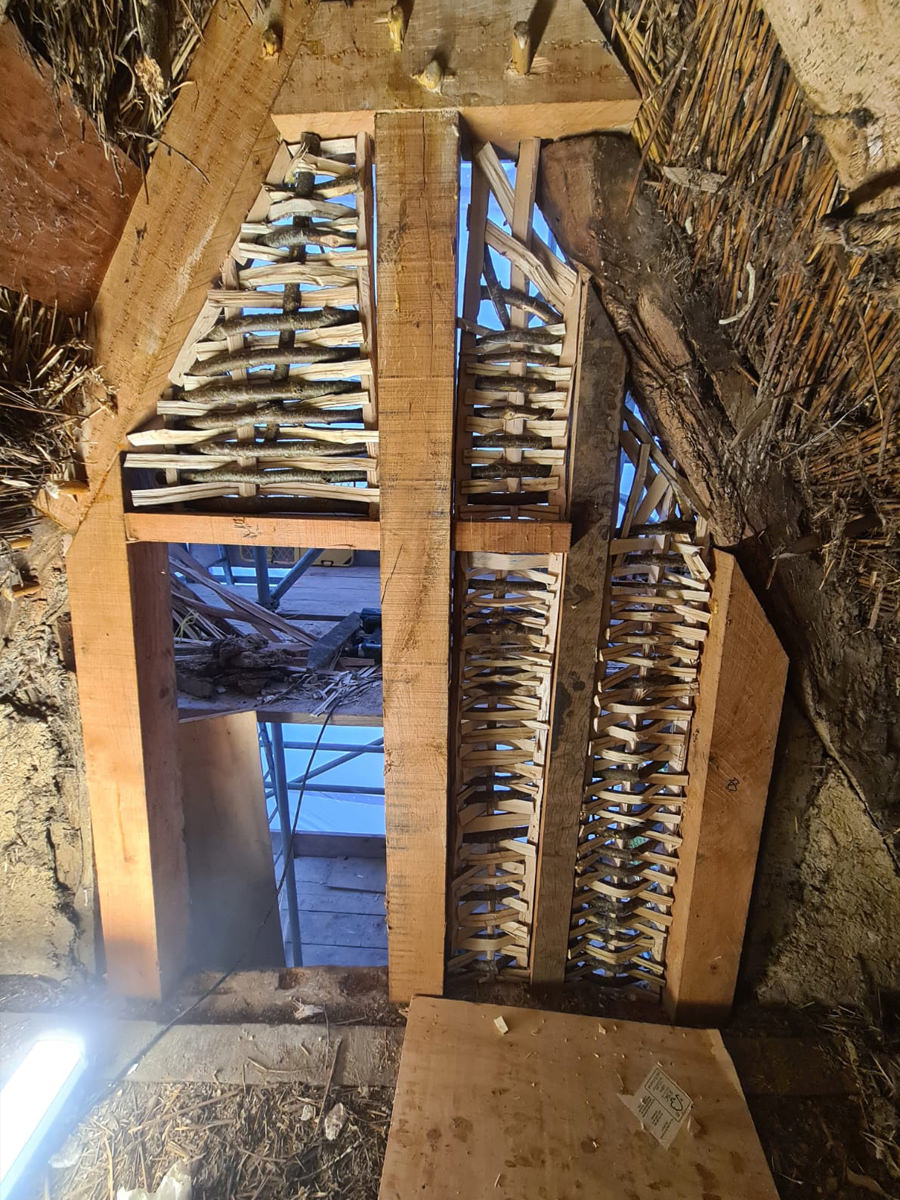
One small element of the specialist types of works STRESS deliver. Our heritage division repaired a Grade II listed building using traditional wattle and daub. This solution preserved the historic fabric while meeting modern sustainability targets.
Historic timber frames naturally flex and allow moisture to move through the building fabric. Modern rigid materials such as cement can trap moisture, crack and accelerate decay. STRESS needed to deliver a structurally compatible repair that protected the building while preserving its historic character.
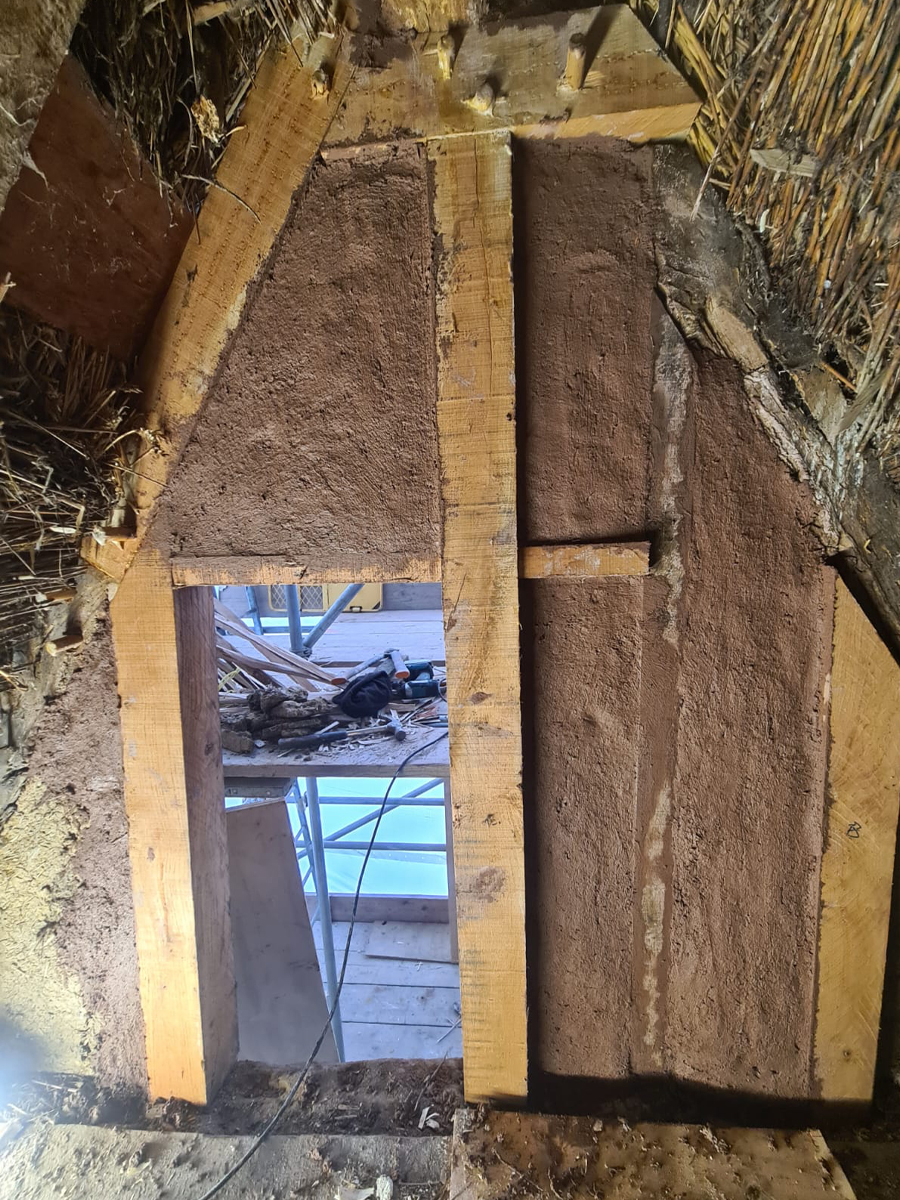
STRESS conducted a survey by analysing original materials to determine their exact composition. Following this assessment, the team engineered a compatible work schedule centred on a non-destructive, fully reversible repair plan. The project utilised eco-friendly materials consisting of 100% natural, non-toxic, locally sourced daub ingredients. This approach achieved significant embodied carbon savings by avoiding demolition, which locked in existing carbon and reduced overall construction emissions. To ensure circular waste reduction, the team removed, re-wetted and reused the original daub to minimize site waste.
The traditional daub repair remains flexible and allows moisture to move through the wall as intended, enabling the timber frame to accommodate natural movement while providing a durable, compatible repair that protects the building’s historic fabric for the future.
Traditional materials like timber frames, lime-based systems and wattle and daub are naturally permeable, allowing buildings to manage movement and moisture in a way many modern sealed constructions cannot. The issue often arises when incompatible modern materials are introduced, trapping moisture and disrupting that balance. A risk that becomes more significant as rainfall and humidity patterns become more extreme. At STRESS, our focus is on retaining and restoring that natural permeability. By using compatible, traditional repair methods, we help ensure historic buildings remain resilient, functional and true to their original design in a changing climate.
A low-carbon approach to historic buildings focuses on understanding the original construction and preservation over replacement, using traditional, compatible materials that allow the structure to continue performing as originally intended. In one of our Grade II listed projects, we used traditional wattle and daub to repair historic timber framing. Modern rigid materials like cement would have trapped moisture and accelerated decay not only to the wattle supports in the panels but in the main structural frame, we focused on material compatibility and reversibility.
We also reduced carbon by avoiding demolition, retaining as much original fabric as possible and reusing the existing daub we carefully removed, re-wetted and reinstated.
All new materials were natural, non-toxic and locally sourced.
Eco-friendly structural repair
100% natural daub ingredients
Preserving historic character
Fully-reversible, non-destructive and sustainable repair.
Wattle and daub repair scheme